After twelve years of trekking across the UK, carrying my trusty, battered tape measure, and listening to the specific way a room changes when the guest count hits eighty, I have heard one sentiment from couples more than any other: "I want history, but I’m tired of drafty castles."

There is a specific kind of fatigue that sets in after touring your fifth medieval keep. You’re expected to marvel at the stone floors—which, let’s be honest, are a nightmare for anyone in a heel—and pretend that a 30-foot ceiling in a room with the acoustics of a cathedral is a good idea for a DJ set. Don’t get me wrong, I love a good historical structure, but history is not exclusive to high-born lineages and drawbridges. History is found in the grit of our industrial past, the solemnity of repurposed chapels, and the quiet dignity of a working mill.
If you are looking for soul, texture, and a sense of place that isn't just a backdrop for a princess fantasy, let’s look at the venues that actually have something to say.
The Industrial Heritage Shift: Why Mills and Barns Still Reign Supreme
When I visit a venue, the first thing I look for isn't the "stunning" view (please, stop using that word without telling me *why* it’s stunning). I look for architectural texture. I want to see brickwork that bears the patina of a century of labor, or exposed iron beams that scream function over form.
Mills and barns weddings have become the gold standard for couples who want character without the fluff. Take, for example, The Venue at Eskmills. It is the perfect study in how to honor industrial heritage without feeling like you’re getting married in a basement. The space utilizes its original architecture to ground the room. When a space has thick, historic walls and deliberate, functional design, it doesn't need a thousand meters of fairy lights to "hide" the character. If a venue tells you they are a "blank canvas," https://highstylife.com/the-coaching-inn-wedding-venue-what-is-the-vibe-really-like/ be wary. That is usually industry-speak for "we haven't finished the walls, and you are going to spend your entire budget on drapes to make this look like a human being lives here."
The Acoustic Reality Check
Here is my quirk: I always stand in the center of the room and clap. Loudly. Why? Because when you fill an industrial space with 100 people, the sound bounce can be deafening. Older mills usually have clever, compartmentalized layouts that keep the sound contained. When visiting, don’t just look at the floor plan—close your eyes and imagine the room filled with chatter. If the echoes are already ringing in an empty room, imagine the headache during speeches.
Chapel Conversions: Where Light Meets Atmosphere
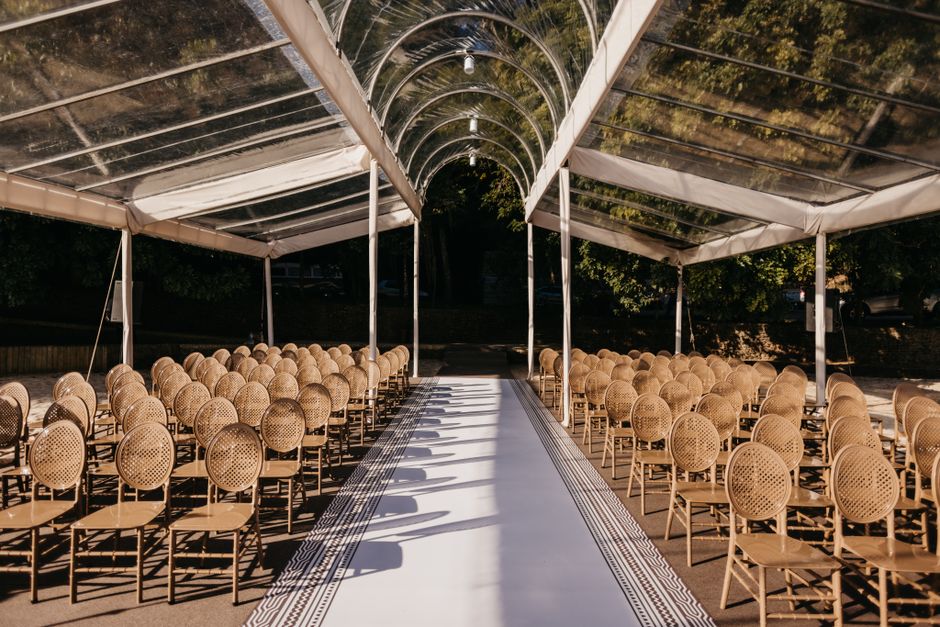
If you want history but find the industrial route too harsh, chapel conversions offer a different kind of narrative. These spaces are inherently built for ceremony. The light in a well-converted chapel is usually superior to any purpose-built wedding barn because they were designed to capture the sun at specific angles to create a "sacred" feeling.
When scouted, I check the aisle width with my tape measure. Too many venues boast about "historic charm" while forcing a bride to navigate a 24-inch wide gap between rows of benches. A proper historical conversion respects the proportions of the original space. If you are looking at a chapel, look for the windows. Are they original leaded glass? Do they open? A dark, enclosed chapel might look great on Pinterest, but on a hot July afternoon, your guests will be begging for air.
Pinterest vs. The Real World
I frequently see couples paralyzed by the "Pinterest effect." They see a perfectly manicured, highly stylized board and assume that every venue can be molded into that vision. This is the biggest trap in the industry. Want That Wedding has spent years championing the idea of authentic, personality-driven weddings, and that starts with choosing a venue that already *is* something, rather than one you have to force to become something else.
Pinterest is two-dimensional. A wedding is four-dimensional. It involves the temperature of the air, the flow of the foot traffic, the sound of the band bouncing off the rafters, and https://smoothdecorator.com/is-a-light-filled-wedding-venue-better-than-a-moody-one/ the "rain plan realism." If you choose a venue because you saw it on a feed, you are choosing a picture. Choose a venue because of its architectural texture and its local identity. Does the venue sit within the landscape, or does it look like it was dropped from a helicopter?
Venue Comparison Guide
If you are struggling to narrow down your search, I have compiled a quick comparison of these three non-castle, high-character venue types.
Venue Type Primary Appeal The "Real Talk" Challenge Acoustics Industrial Mill Grit, texture, high ceilings. Requires lighting to soften; avoid "blank canvas" traps. Can be echoey; look for soft furnishings. Chapel Conversion Light, high arches, solemnity. Aisle width/seating capacity constraints. Excellent for acoustic music; bad for heavy bass. Historic Barn Organic warmth, landscape connection. "Rain plan realism"—where do people go if it pours? Natural wood dampens sound beautifully.Final Thoughts: The Importance of a Story
At the end of the day, your wedding venue should feel like a chapter in your story, not just a stage set. When you tour a venue, ask the coordinator about the history of the building. Was it a paper mill? A weaving shed? A place of worship? Knowing the history of the space gives you something to talk about with your guests. It creates a sense of place that goes beyond "we picked this because the curtains matched the flowers."
And for heaven’s sake, check the distance from the bar to the dance floor. If your guests have to walk through a wind-tunnel corridor to get a drink, they aren't going to dance. That’s not history—that’s just bad planning.
Happy venue hunting. Keep your tape measure handy, ignore the "stunning" marketing fluff, and find the place that speaks to you, not just to your screen.
Found this guide helpful? Share it with your fellow planners on Facebook, X, or pin your favorite architectural details on Pinterest. If you have a venue that fits the "history without the castle" vibe, drop a comment below—I might just add it to my next site visit route.