I spent nine years sitting behind a salon front desk in Sydney. I’ve heard it all: the frantic, "I-woke-up-and-it-looks-like-I-fought-a-ceiling-fan" calls, the despair over split ends that seemed to sprout overnight, and the endless search for a "miracle" leave-in serum. But the truth? Most of the time, the damage wasn’t happening in the shower or during heat styling. It was happening while my clients were asleep.
If you’ve been scrolling through TikTok or Instagram lately, you’ve likely seen the trend of wearing silk bonnets to bed. Influencers swear by them, claiming you’ll wake up with "glass hair" and zero frizz. But let’s be practical. Is a piece of fabric really the solution to your hair woes, or is it just another vanity trend? As someone who has spent nearly a decade watching stylists fight the uphill battle of hair repair, here is my honest, "no-hype" Find more information assessment of overnight frizz prevention.
The Science of Sleep: Why Your Pillowcase is the Enemy
Let’s strip away the marketing jargon. When you sleep on a standard cotton pillowcase, two things are happening that wreak havoc on your hair:
- Mechanical Friction: Every time you toss and turn, your hair is rubbing against the coarse fibers of your cotton sheets. Think of it like sandpaper. That friction raises the hair cuticle, causing it to snag, break, and eventually lead to that dreaded "frizzy halo" you see in the morning. Moisture Wicking: Cotton is highly absorbent. It doesn’t just pull sweat away from your skin; it sucks the natural, necessary oils right out of your hair shaft. Your hair needs those oils to stay supple. When you wake up, your hair is essentially dehydrated, making it more prone to frizz the moment it hits humidity.
This is where silk bonnet frizz reduction comes into play. Silk is smooth, and unlike cotton, it’s not porous in the same way. It allows your hair to glide rather than rub, and it keeps those essential oils where they belong: in your hair.
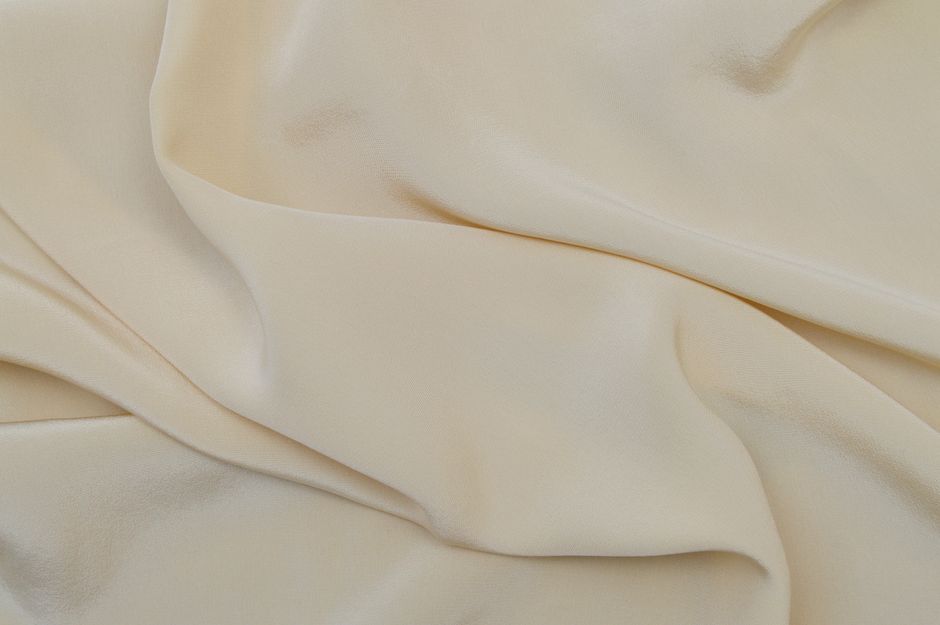
Silk vs. Cotton vs. Satin: What’s the Difference?
When you're shopping, you’ll see "satin" and "silk" used interchangeably. They aren't the same. Silk is a natural protein fiber, while satin is a weave—which can be made from synthetic materials like polyester. For the best result, always check the label. If you are looking for high-quality options, I’ve often pointed clients toward Silk Bonnet World (silkbonnetworld.com.au) because they focus on the integrity of the fabric, which really does make a difference when you’re wearing it for eight hours a night.
Material Friction Level Moisture Retention Verdict Cotton High Low (Sucks moisture out) The enemy of smooth hair Polyester Satin Low Medium Better than cotton, budget-friendly Pure Mulberry Silk Very Low High The gold standard for hair protectionIs a Bonnet the Only Way? The Reality of 10:30 PM
Look, I get it. It is 10:30 PM, you’re exhausted, and the last thing you want to do is wrangle your hair into a bonnet. I’ve had clients tell me they feel like they’re wearing a shower cap from the 1950s. But this is where the "tiny changes that add up" philosophy comes in. You don’t have to do everything perfectly, but you do have to be consistent.
If a full bonnet feels like too much, consider a silk pillowcase. It’s a "set and forget" method. However, if you have long or particularly unruly hair, a bonnet is far superior because it keeps the hair contained and prevents the tangled "nest" effect at the nape of your neck.
For those looking for more resources on maintaining hair health, sites like Female.com.au often feature great discussions on long-term preventative care. They emphasize that healthy hair isn't just about what you buy at the salon; it's about the daily habits you adopt to prevent damage before it starts.
Preventative Care vs. Repair-Only Routines
We are a society obsessed with repair. We buy bond-building treatments, deep conditioners, and heat protectants, all designed to "fix" our hair after we’ve already damaged it. But why wait until the hair is broken? Overnight frizz prevention is the ultimate form of preventative maintenance.
Think of it this way: if you spend $300 on a salon balayage, but you’re grinding your hair into a cotton pillow every night for eight hours, you are essentially erasing a portion of that stylist's hard work. Tools like those found at Trillion.com show us how far hair tech has come, but no technology can compensate for a lack of basic protection.
Tips for Different Hair Types
Does everyone need a bonnet? Maybe not. Here is how I break it down for different textures:
1. Curly and Coiled Hair
For you, a silk bonnet is non-negotiable. Curly hair is naturally drier and the cuticle is already more prone to lifting. A bonnet will preserve your curl pattern, meaning you don't have to re-wet and re-style your hair every morning. That is a massive time-saver.
2. Fine, Straight Hair
You might find a bonnet slips off or makes your hair go "flat" at the root. If that’s you, try a silk pillowcase instead, or a silk scrunchie to do a loose "pineapple" (a high, loose bun) to protect the ends without squashing the volume.
3. Bleached or Chemically Treated Hair
Your hair is in a compromised state. Every bit of moisture is precious. Using a silk bonnet is like wearing a raincoat; it keeps the elements (or the friction) from attacking your fragile hair strands. It is one of the cheapest ways to extend the life of your colour.
Practical Habits for Success
If you’re ready to start, don’t fall for the hype of a "miracle" overnight transformation. It’s not going to fix years of heat damage in a single sleep. Here is how to actually make it work:

The Final Word on Overnight Hair Health
Are silk bonnets going to change your life? Probably not. But will they make your mornings infinitely easier, reduce the amount of time you spend heat-styling, and save your hair from unnecessary breakage? Absolutely. After nine years of watching clients struggle with "bed head," I can safely say that protecting your hair while you sleep is one of the few "beauty hacks" that actually works.
It’s not about perfection; it’s about making those small, boring, consistent changes that stop the damage cycle. Your hair is an investment—stop treating it like a disposable commodity.
Did you find this helpful?
If you're tired of the frizz cycle, try switching to silk tonight. Share this with a friend who is still fighting their pillowcase every morning:
- Share on Facebook Share on X (Twitter) Share on LinkedIn Email to a friend
Follow us on YouTube for more "no-nonsense" hair demonstrations, or join the conversation on our social platforms if you have a question about your specific hair type. Remember: no miracles, just better habits.