In the world of premium leather goods, the terms “vegetable tanning,” “mimosa tannin,” and “chestnut tannin” often surface in product descriptions and marketing materials. But how much of it reflects the true craftsmanship behind leather versus what’s merely marketing fluff? As a former retail buyer for menswear and leather goods https://thebossmagazine.com/post/what-to-look-for-in-a-briefcase-that-will-outlast-your-career/ with years handling warranty returns, I’ve seen firsthand where genuine quality resides — and where it gets lost in translation.
In this comprehensive post, we'll dive into:
- The truth about leather grades vs marketing labels Which plant tannins are actually used in vegetable tanning How vegetable tanning stacks up against chrome tanning Why hardware, especially zippers, is often the real failure point Why YKK stays the benchmark for zipper quality A mention of brands like Von Baer and certification seals like Cuoio Superiore
Throughout we'll also reference the excellent free stock photo resources Unsplash and Pexels where you can find quality visuals for leather products.
Understanding Leather Grade Truth vs Marketing Labels
One of my pet peeves—alongside vague phrases like “genuine leather”—is how the market tries to obscure leather quality behind buzzwords without clear definitions. “Top grain,” “full grain,” “genuine leather” — these terms get tossed around with little context, leading to consumer confusion.
Here’s a quick rundown:
Leather Term Meaning Common Misconception Full Grain The outermost layer of the hide, un-sanded and strong. Often marketed simply as "best leather" without specifying tanning method. Top Grain The surface layer sanded or buffed for uniformity. Sometimes passed off as full grain to justify higher price. Genuine Leather Any leather lower than top grain (often split leather or lower grade). Misunderstood by consumers as “good leather.”Vegetable tanning is a process mostly independent of these grades, but full grain vegetable-tanned leather is the crème de la crème in terms of durability and patina development. Beware brands that slap “vegetable tanned” onto lower grades or post-tanning finishes that mask poor hide origin.
What Does Vegetable Tanning Actually Use? Mimosa, Chestnut, and Quebracho Tannins
Vegetable tanning is an ancient method that employs natural plant tannins extracted from tree barks, leaves, and wood. The tannins bind to the collagen fibers in the hide, stabilizing and preserving it without the toxic chemicals of chrome tanning.
Among the most popular plant tannins used:
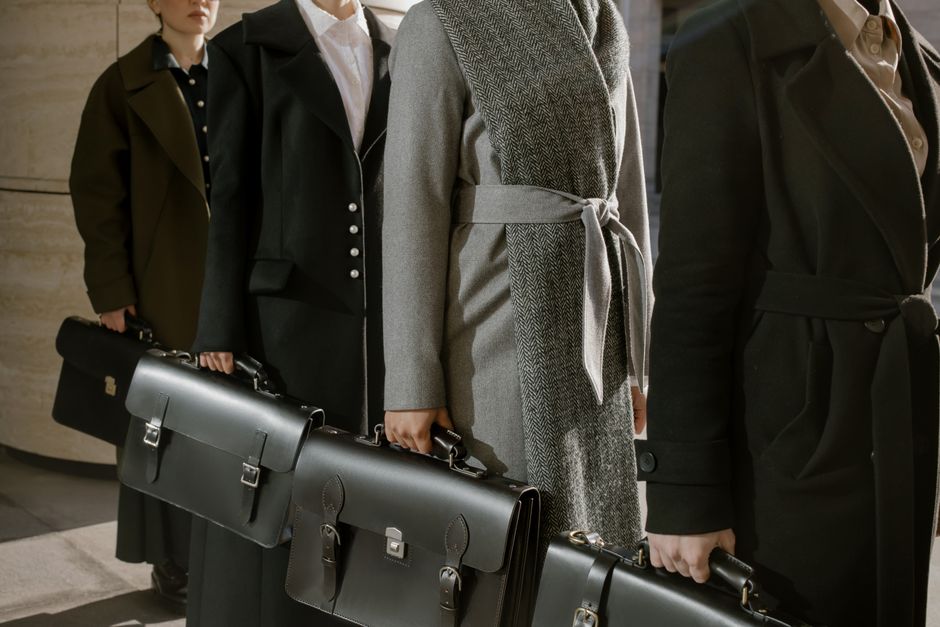
- Mimosa tannin: Extracted from Acacia trees, mimosa tannin produces leathers with good lightness, softness, and resistance to water. It’s renowned for providing supple but firm vegetable-tanned leather. Chestnut tannin: Derived from the bark of the chestnut tree, this tannin type tends to yield a darker, richer color with very firm and durable leather. It’s a traditional favorite in Italy and Spain. Quebracho tannin: From the Schinopsis trees native to South America, quebracho tannin produces extremely hard and dense leathers prized for soles and rigid goods.
Many quality vegetable tanners use blends of these tannins to balance texture, color, and strength. For example, Von Baer — a leather company known for consistently well-executed vegetable tanning — integrates mimosa and chestnut tannins to achieve a luxurious hand without compromising durability.
The Italian certification Cuoio Superiore often mandates use of these authentic vegetable tannins and strict tanning protocols, offering peace of mind you’re getting traditional vegetable-tanned leather instead of synthetic alternatives or mixed methods.
Vegetable Tanning vs Chrome Tanning: What’s the Difference?
Though many consumers assume vegetable tanning is “better” for durability or character, both vegetable and chrome tanning have clear pros and cons depending on use case.
Aspect Vegetable Tanning Chrome Tanning Tanning Agents Natural plant tannins (mimosa, chestnut, quebracho) Chemical chromium salts Process Duration Several weeks (slow, artisanal) Few days Leather Color Natural earthy tones, deep patina over time Bright, uniform color, often dyed Durability Stiff initially but ages well, less water-resistant Soft, flexible, better water resistance Environmental Impact Generally lower, biodegradable tannins Uses toxic chemicals difficult to disposeVegetable-tanned leather, particularly when certified by Cuoio Superiore, is prized by enthusiasts who appreciate craftsmanship and patina development. Chrome tanning is widespread in fashion industry for mass production due to speed and affordability. When shopping, knowing your priorities helps you decode product copy that often blurs the lines.
Hardware: The Real Common Failure Point in Leather Goods
After eight years handling warranty returns on leather accessories, I can confidently say the single biggest failure point isn’t the leather itself, especially for quality vegetable tanned hides—it’s the hardware.
That includes:
- Rivets and buckles that tarnish, chip, or flake plating Stitching that loosens due to cheap thread or under-tension Zippers that jam, break, or corrode
Many brands market the leather quality heavily but cut corners on hardware. This results in disappointing failure usually within a couple years of purchase.

Silver-tone or gold-tone plated fittings that flake are an immediate red flag—ask if hardware is solid brass or stainless steel. This is a detail brands like Von Baer handle carefully, specifying hardware materials and finishes to match their refined leather.
Zipper Quality and YKK: The Gold Standard Benchmark
Whenever a zipper is involved, my first move is to check for a YKK brand stamp on the zipper pull. YKK is globally renowned for consistent, long-lasting zippers used by top-tier brands across fashion sectors.
Why does YKK matter?
Durability: Their zippers withstand thousands of open-close cycles with minimal jamming. Corrosion resistance: Available in heavy-duty brass, aluminum, and plastic coil varieties with rust prevention. Industry benchmark: Many luxury brands insist on YKK or equivalent due to track record.Brands that display vague zipper info or no stamp are worth questioning—no matter how beautiful the vegetable-tanned hide. Good leather is a foundation, but inferior zippers kill usability fast.
Von Baer’s products routinely feature YKK hardware, showcasing their commitment to durability along with traditional vegetable tanning processed hides. When paired with Cuoio Superiore-certified leather, these goods represent some of the best balanced products in the market.
Where to Find Authentic Images to Inspire Your Leather Research
If you’re looking to visually explore leather textures, tanning workshops, or detailed shots of hardware, two free stock photo sites I often turn to are:
- Unsplash — great variety of artisanal leather goods and production imagery Pexels — detailed close-ups of leather grains, stitching, and hardware
Use these resources to supplement your learning and verify claims on product pages by comparing real-world visuals to marketing copy.
Final Thoughts: Decoding Vegetable Tanning in 2024
To wrap up:
- Vegetable tanning does use plant tannins such as mimosa, chestnut, and quebracho—but usually in strategic blends. True vegetable-tanned leather, especially certified by bodies like Cuoio Superiore, maintains artisanal standards often lost in mass-market labels. Vegetable tanning is a slow, natural method producing leathers with character, contrasting with faster, synthetic chrome tanning. Hardware, particularly zippers, often undermine overall product lifespan, making YKK a must-look-for brand stamp. Brands like Von Baer excel by balancing authentic vegetable tanning with high-quality hardware.
Next time you browse a leather briefcase or wallet, arm yourself with this knowledge. No more guessing what “vegetable-tanned” really means or being blinded by “genuine leather” clichés. Focus on the plant tannins named if they’re spelled out, look for hardware brands like YKK, and when possible, seek out certified producers.
Your investment in quality leather deserves nothing less.
```