As gummy supplements take over the wellness industry, many consumers and formulators find themselves asking: Does the choice of gummy base—gelatin or pectin—really change how effective a supplement is? From brands like Joy Organics offering CBD gummies to vitamins made with USDA Organic certifications, the booming market demands transparency and efficacy. But beneath the chewy, colorful surface lies a complex interplay of formulation challenges—dose limits, heat stability, and ingredient interactions—that impact the stability and potency of active ingredients.
Why Gummies Became the Default Supplement Format
In the past decade, gummy supplements have surged in popularity and grown nearly ubiquitous across the categories: multivitamins, collagen, probiotics, CBD, and beyond. Several factors have spurred this explosion:
- Easy to Take: Gummies deliver a pleasant taste and convenient chewability, appealing especially to kids and adults who dislike swallowing pills. Dosage Customization: Formulators can create gummies in visually appealing shapes and flavors that mask unpleasant ingredient tastes. Visual and Sensory Appeal: Gummies bridge the gap between candy and supplement, making daily intake feel like a treat rather than a chore.
However, gummies come with inherent constraints tied to their base ingredients and manufacturing processes that impact supplement quality.
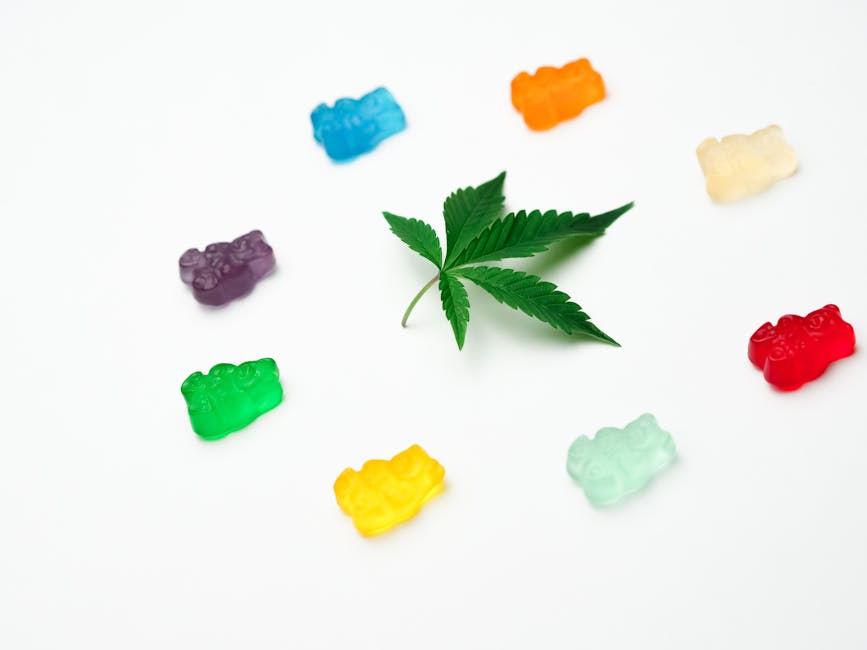
The Science Behind Gummy Bases: Gelatin vs Pectin
Gummy bases serve as the foundation—setting the texture, stability, and shelf life of the finished product. Two primary gelling agents dominate: gelatin and pectin. Each has distinct properties that influence supplement formulation.
Gelatin Gummies
Gelatin is derived from animal collagen, primarily from pork or bovine sources. It produces a chewy, bouncy texture many associate with classic gummies. Gelatin benefits include:
- Strong gelling properties: Creates a firm yet yielding texture that customers often prefer. Heat Sensitivity: Gelatin sets best at cooler temperatures and can melt at body temperature, producing a pleasant "melt-in-mouth" feel. Active Ingredient Compatibility: Because gelatin solutions gel at lower temperatures, heat-sensitive vitamins and probiotics may retain higher stability. Animal Origin: Not suitable for vegetarians or vegans, limiting market reach for some brands.
Pectin Gummies
Pectin is a plant-based polysaccharide, often extracted from citrus peel or apple pomace. Increasingly popular due to the rise in vegetarian and vegan supplements, pectin gummies present distinct formulation challenges and benefits:
- Vegan-Friendly: Ideal for consumers avoiding animal products, which aligns with “clean” and “organic” consumer demands. Requires High Sugar or Acidic Environments: Pectin needs sugars and acidity to gel properly, setting constraints on flavor and ingredient interactions. Less Heat Tolerant: High production temperatures and certain active ingredients may degrade or destabilize pectin gummies more easily. Softer Texture: Generally produces a less elastic, sometimes more fragile gummy than gelatin.
Gummy Base Constraints: Setting and Texture Limits
In supplement formulation, the base influences dose limits and manufacturing feasibility. Here are key collagen gummies side effects constraints influenced by gummy base selection:
Heat Stability and Active Ingredient Integrity
- Manufacturing gummies involves heating the base mixture to dissolve gelling agents and incorporate actives. Gelatin typically melts around 95°F (35°C) but sets at cooler temperatures, while pectin requires precise pH levels and sugar concentrations to gel effectively. Many active ingredients degrade at high temperatures. For example, heat-sensitive vitamins (like vitamin C or certain B vitamins) and probiotics can lose potency if exposed to prolonged heat during pectin gummy processing. Gelatin’s setting at lower temperatures may support greater active stability, but it still imposes upper limits on heat exposure to maintain efficacy.
Dose Limits Due to Texture and Volume
- Supplements like collagen peptides recommended in gram-level doses pose formulation challenges. The typical gummy can only accommodate milligram-range dosages before texture and chewability suffer. Attempting high collagen dosages can make gummies gritty or overly dense. This-dose-to-texture tradeoff forces many brands to reduce collagen content per gummy or supplement with alternative forms (powders or capsules). Similarly, biotin is often dosed in micrograms, so incorporation into gummies is easier but raises questions about actual benefit versus hype.
Collagen Dosing Reality: Grams vs Milligrams
A common consumer misconception is seeing collagen supplements advertised with impressive milligram amounts on the front label and assuming efficacy. Let’s unpack the facts:
Supplement Form Typical Dose for Efficacy Common Gummy Dose Notes Powdered Collagen 5-10 grams per day (per clinical studies) N/A Gold standard for clinical efficacy Collagen Gummies Rarely exceed 1 gram per serving ~300-500 milligrams Limited by gummy texture and volumeIn short, collagen dosing in gummies is far below the clinically studied effective grams, raising concerns about meaningful impact. Consumers should check the Supplement Facts panel and seek transparent brands providing batch-specific lab reports confirming collagen content. Otherwise, gummies may be more about taste and form factor than true therapeutic benefit.
Biotin Hype vs Deficiency: What You Need to Know
Biotin is a B-vitamin often touted for hair, skin, and nail benefits. However, the reality of biotin supplementation in gummies is muddled by marketing hyperbole, third party lab report dosing regimen, and lab test interference:
- Deficiency Is Rare: Most people get adequate biotin from diet, and true deficiency is uncommon without underlying conditions. Dose Confusion: Typical supplements provide biotin in micrograms (µg) or milligrams (mg), with many gummies offering mega doses (sometimes 5,000 or 10,000 mcg). While high doses are generally safe, excess biotin can interfere with common lab assays, leading to false diagnostic results. Lab Test Interference: The FDA has issued warnings about biotin’s potential to distort lab test results, underscoring the need for clear consumer information and third-party testing to verify claims and safety.
Why Third-Party Testing and Batch-Specific Lab Reports Matter
Given the formulation constraints and variable dosing in gummies, consumer vigilance is paramount. Premium companies like Joy Organics often back their products with:
- Third-Party Testing: Independent labs verify ingredient identity, potency, and absence of contaminants. Batch-Specific Lab Reports: Providing QR codes or online access to lab results for every batch ensures transparency and builds trust. Certifications: USDA Organic or other seals attest to ingredient sourcing and manufacturing quality, but should never replace actual cannabinoid or nutrient content verification.
Unfortunately, many gummy supplements flaunt vague claims like “supports natural production” or “clean ingredients” without providing concrete dosage data or stability proof. This leads to under-dosed or unstable supplements masked by appealing packaging and buzzwords.

Summary: Does Gummy Base Choice Change the Supplement?
Yes. The choice between gelatin and pectin base impacts not only gummy texture and consumer preference but also active ingredient stability, dosing constraints, and the manufacturing process.
Texture & Consumer Appeal: Gelatin offers a classic chewiness with better heat tolerance; pectin suits vegan users but requires high sugar/acid for setting. Dose Limitations: Especially for bulk collagen, gummy base volume and setting restrict practical dosing, often leaving gummies far below therapeutic levels. Active Stability: Heat involved in gummy processing can degrade sensitive actives; gelatin’s lower melting point may be gentler but is not a panacea. Testing Transparency: The best way to verify benefits in gummies is to rely on reliable third-party testing and seek batch-specific lab reports.Ultimately, gummies are a convenient and enjoyable supplement form, but consumers must temper expectations and seek brands dedicated to transparent dosing and rigorous testing. Labels certified organic by USDA Organic and brands such as Joy Organics set positive examples by committing to quality and transparency—measures that truly influence supplement effectiveness beyond the gummy base choice itself.