It’s 2:15 AM. The house is quiet, the three kids are (thankfully) sound asleep, and I’m staring at a screen trying to figure out if I just wasted two hours of my life on a "revolutionary" new gaming peripheral or if I’ve actually tapped into a shift in how we play. I keep a running note on my phone—my "Sleep Quality & Gaming Journal"—which is essentially a log of how late-night sessions impact my focus digital fatigue the next day. Lately, that list has been cluttered with industry buzzwords about "next-gen immersion" and "metaverse integration."
But when I step back and look at my life—juggling work, parenting, and trying to keep my sanity through a controller—I realize that most of the stuff getting headlines is just marketing fluff. As someone who tests gadgets for fun and blogs about the intersection of tech and culture, I’ve learned to ask one very specific question to cut through the noise: "What does this change for normal players?"
If the answer is "nothing, unless you’re a professional athlete," it’s probably hype. If the answer is "it makes it easier for my friends and me to play a few matches after the kids are in bed," then it’s a real, lasting trend.
The Litmus Test for Digital Culture
Gaming trends are often framed as high-octane, neon-lit spectacles designed for the esports stage. This is a massive pet peeve of mine. Pretending that gaming is only about winning money on a stage ignores the 99% of us who just want to unwind. When we talk about gaming trends, we need to focus on what actually moves the needle for the average person. Is it making gaming more accessible? Is it helping us connect with friends who live three states away? That’s where the real shifts are happening.
The Reality of Streaming Influence
The rise of platforms like Twitch and YouTube Gaming is often cited as the biggest trend in the last decade. But let’s move past the corporate speak about "creator ecosystems" and look at the functional reality. For a normal player, these aren't just for watching pros speedrun games they’ll never play. They’ve become the new community hubs.
Streaming has shifted the social contract of gaming. In the past, gaming was a solitary act or a couch-co-op experience. Now, it’s a conversation. Whether you’re watching a creator play a story-heavy RPG to decide if it’s worth your hard-earned money, or just having a chat stream open while you grind out some late-night chores, this is a legitimate social connection. If a trend involves "streaming influence," ask yourself: Does it invite the audience in, or is it just a broadcast designed to sell us a product?
Cloud Gaming: Convenience vs. Reliability
Then there’s the big elephant in the room: Xbox Cloud Gaming and GeForce Now. The industry loves to throw around "cloud-native" and "unlimited compute" as buzzwords. But what does this actually change for the normal player? It changes the barrier to entry.
For me, a parent who can’t always be tethered to a high-end console in the basement, being able to jump into a game on a tablet or a thin-and-light laptop via cloud services is the real game-changer. It’s not about the "future of the cloud"—it’s about the fact that I don’t need to drop $500 on new hardware every three years to play a game with my brother on the weekend. If a tech trend removes friction from our busy lives, it’s a real trend. If it just adds a new subscription fee without a clear utility, it’s hype.
The Evolution of Community: Discord and Beyond
Years ago, we relied on messy in-game lobby chats that were usually toxic cesspools. Today, the real community action happens on Discord. This isn't just a gaming tool; it’s our digital living room. I have a server with my college friends—we don't even talk about games half the time. We talk about our kids, our jobs, and our grocery lists. Gaming is the activity that keeps the door open.
When you see a new "social gaming" feature announced, look at it through the lens of community. Does it help me coordinate a raid with my buddies in five minutes, or is it just another way for a developer to inject ads into my UI? If it builds a hub, it’s a trend. If it builds a walled garden, it’s hype.
Mobile Gaming: The New Default
I still hear "hardcore" gamers dismiss mobile gaming. That’s an outdated, elitist view. When we look at accessibility and demographics, mobile is the most important platform on the planet. Everyone has a smartphone. When a trend moves toward "mobile-first" development, it’s not just about microtransactions—it’s about reaching people who don't have time to sit in front of a monitor for four hours straight.
Accessibility is the strongest trend in digital culture right now. Whether it’s cross-progression, where I can start a session on my phone during my lunch break and finish it on my console at home, or better controller support for touch devices, these are the quality-of-life improvements that actually matter.
A Quick Comparison: Hype vs. Reality
Trend Concept The "Hype" View The "Normal Player" Reality Streaming Services "Global reach and mega-influencers" "Community hubs to hang out with friends" Cloud Gaming "Total hardware independence" "Lower barrier to entry for casual sessions" Mobile Growth "Monetization optimization" "Gaming anywhere, anytime, on your own terms" Digital Hubs (Discord) "Exclusive brand communities" "A reliable space to talk to friends"Health and Wellness: Keeping it Real
I have to touch on the "wellness" aspect of gaming, though I refuse to make pseudo-medical claims. I’ve read plenty of blogs saying, "This new headset will revolutionize your health." Please. If you want to know how gaming affects your health, consult your actual physician, not a marketing brochure for a gaming chair with RGB lighting.
My approach is simple: listen to your body. I log my sleep quality because I know that if I play an intense, fast-paced shooter until 1 AM, my brain stays wired and my sleep suffers. That’s not a "gaming trend"—that’s biology. The best trend in the industry right now is the increased focus on customizable experiences—games that allow you to pause, save anywhere, or adjust difficulty so you aren't turning your relaxation time into a source of stress.
Final Thoughts: How to Navigate the Noise
To spot the difference between a fleeting trend and a cultural shift, follow these three rules:
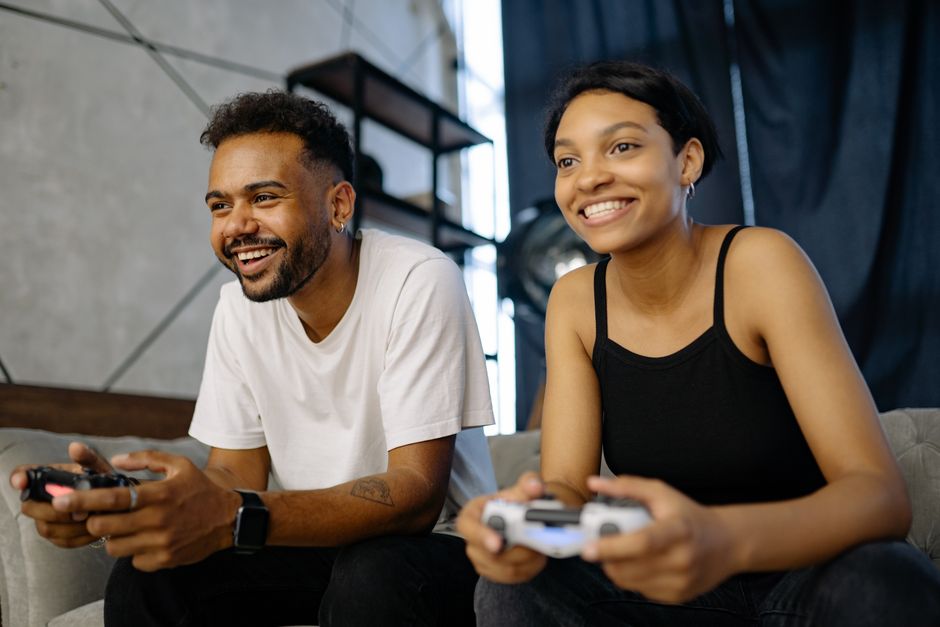
Gaming has become the primary way we socialize in the digital age. It’s not just a hobby; it’s a way to maintain friendships while navigating the complexities of adulthood. So, keep an eye on the tech, enjoy the games, and for heaven's sake, keep an eye on your sleep patterns. Your brain (and your kids) will thank you in the morning.