If you’ve ever stared at a half-used bottle of serum, a dusty luxury candle, or a supplement jar that didn’t quite deliver on its promise, you are not alone. In an era of infinite scroll, the barrier to entry for shopping has never been lower, but the barrier to intentionality has never been higher. As a lifestyle editor who has spent nine years tracking the evolution of the beauty and wellness industries, I’ve seen the pendulum swing from "collecting products" to "curating a life."
The goal is no longer to have the most aesthetically pleasing shelf; it is to build a body-care and wellness routine that actually supports how you live. Whether you are navigating the complexities of medical-grade wellness or simply trying to avoid clutter, this guide is designed to help you master the art of the intentional purchase.
The Evolution: From Appearance to Wellbeing
For decades, the beauty industry sold us a dream rooted in vanity—fix this flaw, hide that line, achieve this specific look. However, we are witnessing a profound shift. Consumers are increasingly moving away from appearance-focused products toward functional wellbeing. We are no longer asking, "Will this make me look younger?" but rather, "Will this support my nervous system, nourish my skin barrier, or improve my daily quality of life?"
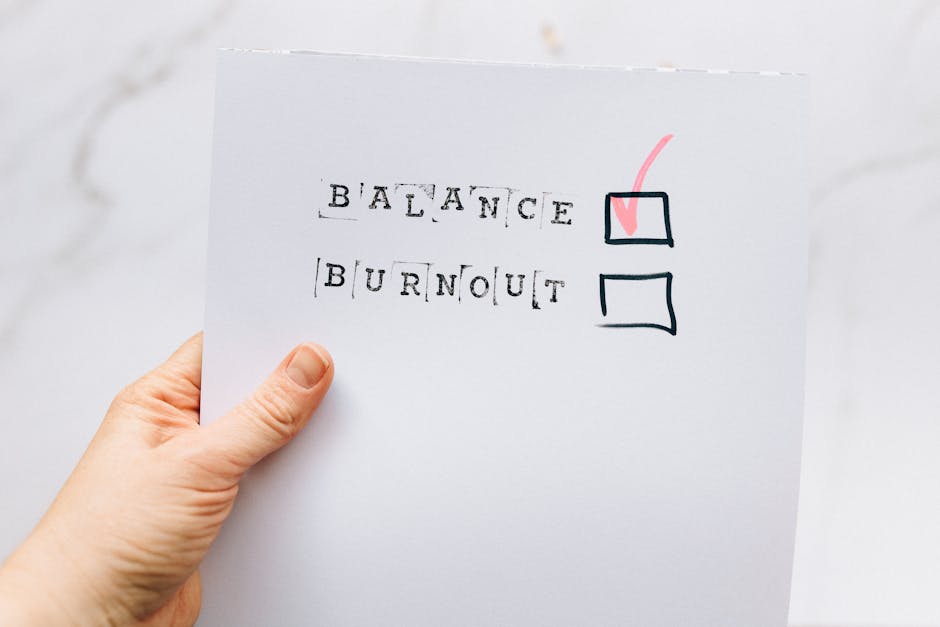
This shift requires a new skill set: routine fit check. You need to assess not just the product, but how it integrates into the reality of your 9-to-5, your energy levels, and your long-term health goals.
The Social Media Paradox: Why TikTok Isn't Your Doctor
We live in the age of social media discovery. Platforms like TikTok, Instagram, and YouTube have democratized information, allowing us to find solutions for niche concerns in seconds. Yet, this accessibility comes with a significant risk: the "virality bias."
Just because a product is trending doesn't mean it’s chemically or functionally suited for your lifestyle. When you see a "miracle" product on your feed, ask yourself:
- Is this solving a problem I actually have? Or am I buying the solution to a problem I didn't know existed until five minutes ago? Does the research back the claim? Always look for evidence-based information. If a product makes clinical claims, cross-reference them with established bodies like the NICE (National Institute for Health and Care Excellence), which sets the gold standard for clinical guidance in the UK. Is it a lifestyle fit or a lifestyle fantasy? A high-maintenance 12-step routine might look great in a video, but if you struggle to find time to brush your teeth, that routine is destined to become clutter.
The "Routine Fit Check" Methodology
To move toward intentional purchases, you must treat your wellness cabinet like an investment portfolio. Every item needs to earn its keep. Use this checklist before clicking "checkout":
The Need-Gap Analysis: Does this replace an existing product, or is it an addition? If it’s an addition, what is the specific function? The Lifestyle Audit: How much time does this take to use? If it requires a 20-minute setup, it likely won't survive a busy Tuesday morning. Ingredient Transparency: Can you identify the primary actives? If the label reads like an encrypted code, do a quick search using an ingredient database. The Long-Term Sustainability: Will you be able to afford this, use this, and store this six months from now?
Demystifying Ingredient Transparency
Label literacy is your best defense against bad purchases. Many products are sold on the strength of a "hero ingredient," but the concentration and delivery system matter far more. Below is a quick guide to reading labels like a pro:
Ingredient Class What it does Lifestyle Fit Humectants (e.g., Hyaluronic Acid) Draws moisture into the skin. High; suitable for almost everyone as a daily staple. Active Retinoids Increases cell turnover. Medium; requires consistency and sun protection. Medical Cannabis Derivatives Supports systemic balance (check for clinic guidance). High; only if prescribed for specific wellness needs. Fragrance/Essential Oils Provides sensory experience. Low; often the primary cause of irritation in sensitive types.The Role of Medically Informed Wellness
As we bridge the gap between "beauty" and "wellness," it is crucial to recognize when a product crosses the line from cosmetic to clinical. When you are looking into more serious interventions—such as managing chronic pain or anxiety—it is imperative to step away from social media influencers and turn to medical professionals.
For example, if you are exploring the therapeutic benefits of cannabinoids, you shouldn't be sourcing these from high-street shops or random online ads. You should look toward established, regulated organizations like Releaf, the UK’s largest medical cannabis clinic. Using the educational resources found on such clinic websites ensures that your wellness routine is informed by science rather than marketing hype.
By leveraging the educational resources on clinic websites, you gain access to evidence-based protocols that are grounded in clinical outcomes. This is the definition of intentionality: seeking professional guidance instead of following an algorithm.
Building Your "Staples Only" Toolkit
To avoid the trap of constant accumulation, try adopting a "staples only" approach. A wellness staple is a product that serves a clear, recurring purpose in your life. It is not an impulse buy; it is a utility.
Step 1: The Purge
Clear sadshayri your current inventory. If you haven't used it in three months, it doesn't belong in your routine. It is better to have three high-quality products that you use daily than twenty products that expire while sitting in a drawer.
Step 2: Research-First Shopping
Never buy while the dopamine of a TikTok video is still fresh. Wait 48 hours. If you still feel you need the product after two days, search for reviews on non-sponsored platforms or, better yet, check if there is clinical evidence for the product’s efficacy via trusted health sources.
Step 3: Track and Evaluate
Keep a simple note on your phone. Write down the products you use and how they make your body feel. If a product isn't providing a noticeable benefit after a standard usage cycle (usually 4–6 weeks for skin, longer for systemic supplements), cut it. That is how you stop the cycle of clutter.
Final Thoughts: Quality Over "Newness"
The beauty and wellness industries are built to thrive on the feeling that you are missing out on the next big thing. True wellness, however, is quiet. It is boring. It is consistent. By shifting your focus from the "next big trend" to intentional purchases that align with your actual, lived experience, you save money, reduce waste, and find genuine balance.

Remember: You are the expert on your own life. Don't let an algorithm decide what your body needs. Trust the science, listen to your body, and always perform a routine fit check before adding something new to your shelf.
Disclaimer: This post is for informational purposes only. Please consult with a healthcare professional or medical clinic before starting any new wellness regimen, particularly when considering medical-grade treatments. Always check guidance from the National Institute for Health and Care Excellence (NICE) for evidence-based health standards.