I still remember the first time I held a torque key in my hand back at the shop. It was a tiny thing, easily lost in a junk drawer, but it held the secret to safety. After 11 years of wrenching on commuters, fitting frames, and installing seats, I’ve learned that the safest ride baby bike seat leg protection isn’t just about the gear you buy; it’s about how you manage the ride itself. I’m a "two-click" person—every time I buckle a helmet, I check it twice, then I check the seat mounts. It’s muscle memory now.
Lately, parents have been asking me the same question: "Is a front-mounted child bike seat safer in traffic?" The answer isn't a simple yes or no. It’s a series of trade-offs, physics, and, most importantly, the development of your smallest passenger. Let’s break it down so you can feel confident on your next ride.
Developmental Readiness: It’s Not About the Birthday Cake
I hear parents say, "My child is nine months old, so they’re ready for a seat." Please, take a breath. Age is a guideline, but neck control is the hard limit. If your child cannot hold their head up steadily while wearing a helmet—which adds weight and can cause that "bobble-head" effect—they aren't ready to be on the bike, regardless of what the box says.
The front-mounted seat exposes the child to more wind, more vibration, and more movement. If you’re riding on anything other than perfectly smooth pavement, that extra vibration is going straight to their neck. Before you ever install a seat, have them sit on the floor. If they can sit unsupported and keep their head steady while you move them slightly, you’re on the right track. If they flop, wait a few more weeks. It’s a short wait in the grand scheme of a lifetime of riding.
The Physics: Why Handling Changes
When you bolt a child seat to your bike, you are fundamentally changing the machine’s geometry and weight distribution. This is a common point where people get caught off guard.
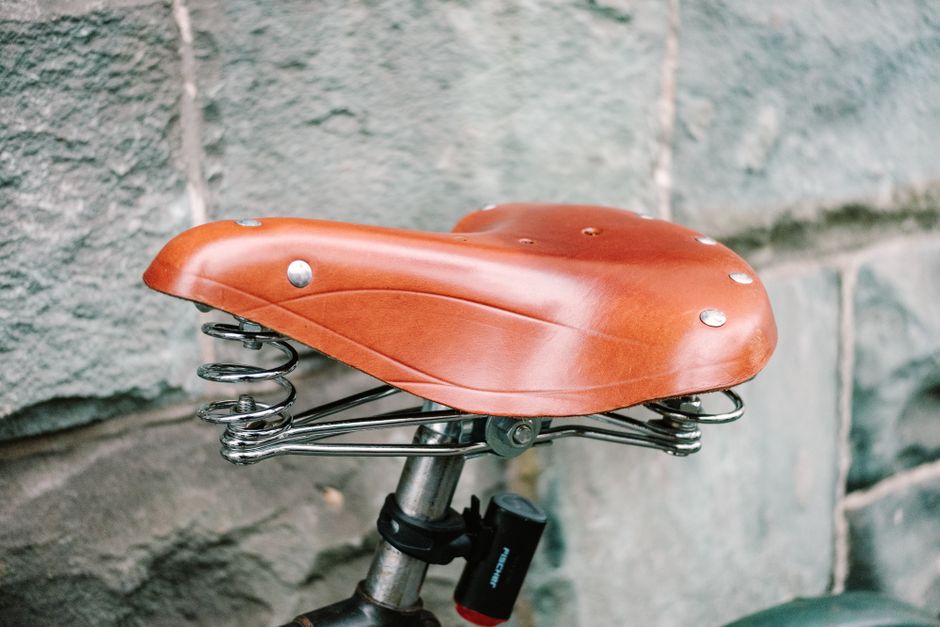
Control Front Mounted Seat Dynamics
You ever wonder why a control front mounted seat attaches to the head tube or the top tube, placing the child between your arms. The benefit here is obvious: they are right in front of you. You can talk to them, you can shield them from the wind, and they get a great view. This reminds me of something that happened wished they had known this beforehand.. But, you have to account for the "floppy steering" effect.
Adding weight forward of the handlebars makes the steering feel "heavy" and potentially twitchy at low speeds. When you come to a stop at a traffic light, that weight creates a different lever arm on your front wheel. You need to be prepared to hold the bike firmly upright. If you aren't a confident, stable rider without a passenger, you will struggle with the extra weight in this position.
Front Seat Visibility
The front seat visibility is the biggest advantage for traffic safety. When the child is behind you, you have no idea what they are doing. Exactly.. Are they sleeping? Are they trying to grab the brakes? With a front-mount, you see exactly what they see. If you are approaching an intersection, you know if they are distracted or startled. It allows for a level of communication that rear-mounted seats simply can’t match.
Comparison of Child Transport Methods
Not every bike is meant for every seat. Take a look at the trade-offs below to see what might fit your family’s riding style best.
Type Primary Benefit Handling Impact Best For Front-Mounted Seat Communication & Interaction Affects steering feel Urban, short-distance commutes Rear-Mounted Seat Stability & Familiarity Affects center of gravity General leisure riding Trailers Safety & Cargo Space Wide footprint, braking distance Longer trips, bad weather Cargo Bikes Superior Stability Heavy but predictable Daily school runs & heavy gearAlternatives: Trailers and Cargo Bikes
If the idea of having a passenger mounted directly to your frame makes you nervous, you aren't alone. Trailers are the "classic" alternative for a reason. They keep the weight low and behind you. In traffic, they create a wider footprint, which actually forces cars to give you more room. The downside? You are lower to the ground, which can make you harder for some drivers to see.
Cargo bikes, specifically "long-tails" or "front-loaders," are the gold standard for many of us. By lowering the center of gravity, the bike remains stable even when the kid is wiggling around. If you’re doing daily, high-frequency commuting in heavy traffic, a purpose-built cargo bike is generally safer and more comfortable for both of you than a seat strapped onto a standard mountain bike or commuter frame.
The "Two-Click" Safety Protocol
Safety is a habit, not an event. Before you ever roll off the curb, follow this checklist. I’ve internalized this so deeply that I do it even when I’m just testing a bike around the block.
The Helmet Check: Is the helmet snug? Use the "two-finger" rule under the chin strap. If you can fit more than two fingers, it’s too loose. A loose helmet is essentially a decorative hat in a crash. The Mount Check: Did you use your torque key? Don't just hand-tighten; look at the manufacturer's recommended torque settings. Loose bolts vibrate, and vibration leads to catastrophic failure. The Handling Check: Walk the bike with the child in the seat before you get on. Feel how the steering reacts. Find a quiet parking lot and practice stopping, starting, and turning. You need to know how the bike behaves before you enter real traffic. The Visibility Check: Ensure the child’s legs and feet are secured. The last thing you want is a foot hitting the spokes or a crank arm.Refining Your Traffic Strategy
When you are in traffic with a baby or a toddler, your riding style needs to change. Forget the the "get there fast" mentality. You are now a visible, slow-moving obstacle, and you need to act like one. Take the lane when necessary to prevent dangerous close-passes. Signal early and clearly, even if it feels excessive. When you have a child on your bike, you don't weave through parked cars; you stay in a predictable, straight line.
The "front-mounted" position allows you to check in with your passenger constantly. If they get scared, you can talk to them. If they get sleepy, you know it’s time to find a place to stop. That situational awareness is, in my opinion, what makes it a viable option for city riding—provided you are the kind of rider who stays calm and keeps their eyes on the road.
Final Thoughts for the Road
Is a front-mounted seat the ultimate safety device? No. It’s a tool. It offers incredible visibility and keeps your child engaged with the ride, which makes them better passengers. But it shifts the center of gravity and requires a higher level of rider attention.

Keep your bike maintained. Keep your helmet straps tight. And for heaven’s sake, keep that torque key in an easy-to-reach spot in the junk drawer. Before you head out, do your double-click safety check, take a deep breath, and enjoy the ride. It goes by faster than you think.
See you out on the bike path.