There was a time, perhaps a decade ago, when a conversation about cannabis in the context of “wellness” was relegated to the fringes—a coded language shared in hushed tones behind the counter of a boutique shop or in the comments section of a niche forum. Today, as I scroll through my morning feed while waiting for my coffee to brew, the discourse has fundamentally shifted. It is no longer just “medical”; it is being repackaged, discussed, and analyzed through the lens of a lifestyle optimization tool.
As someone who has tracked the trajectory of style trends—from the rise of “athleisure” to the current “quiet luxury” obsession—I’ve noticed a pattern. When a product moves from the clinical sphere into the wellness sphere, it often undergoes a linguistic “softening.” My ears prick up the moment I hear phrases like “holistic alignment” or “vibrant vitality” attached to something as chemically complex as medical cannabis. Let’s cut through the buzzword-heavy copy and look at where we actually stand.
The European Shift: From Niche to Mainstream
Across Europe, the landscape of medical cannabis is undergoing a structural renovation. Countries that once treated the plant as an absolute last-resort intervention are now, in many instances, acknowledging its place in chronic pain management and mental health support. However, this mainstream shift is tricky.
We are seeing a convergence where the medical necessity of the patient is being conflated with the "wellness" goals of the consumer. In Berlin, London, or Copenhagen, you aren't just seeing a push for accessibility; you’re seeing the rise of a new patient demographic: the person who demands to be clinically supervised but wants the experience to feel as seamless as a high-end skincare subscription.
This creates a friction point. On one hand, you have rigorous medical frameworks; on the other, you have social platforms and podcasts pushing a narrative of "optimization." When a podcast host—who likely has no medical license—touts a specific strain for "productivity" or "creative flow," they are performing a delicate dance between wellness marketing and medical advice. That is where we need to remain skeptical.
The Danger of the "Miracle-Cure" Narrative
My greatest annoyance as a writer covering this space is the "miracle-cure" framing. If a brand copy suggests that a product is a “detox” or a “total reset” for your endocannabinoid system, run. These are vague, scientifically unsubstantiated claims that ignore the nuances of individual biochemistry.
The reality is far more grounded. Medical cannabis is being discussed as a tool for quality of life—not as a magical fix. When we talk about personalizing a routine, we aren't talking about "biohacking" in the Silicon Valley sense; we are talking about finding a consistent, stable, and transparently sourced regimen that allows a person to function better on a Tuesday morning, whether https://www.copenhagenfashionsummit.com/how-consumer-attitudes-toward-alternative-wellness-are-changing-across-europe/ that involves managing chronic inflammation or mitigating sleep disturbances.
Comparison: The Framing of Cannabis
Feature Medical Framing Wellness Framing (The Buzzword Trap) Primary Goal Symptom management/Clinical outcomes "Optimization" or "Holistic balance" Source of Advice Clinically supervised professionals Influencers/Podcast anecdotes Product Focus Consistency and standardized dosages Lifestyle aesthetic and "vibes" Outcome Expectation Documented efficacy Vague "wellness" improvementsThe Fashion and Wellbeing Intersection
Why do I, a fashion writer, care about this? Because the way we dress and the way we manage our wellbeing are increasingly linked. We’ve moved into an era where "wellness" is part of the wardrobe. Just as we care about the sustainability of our cotton and the ethical labor practices behind our sneakers, we are beginning to demand the same transparency from our health products.
There is a growing crossover between the "slow fashion" movement and the "medically informed wellness" movement. Both prioritize longevity, transparency, and a rejection of disposable, fast-fix culture. When people talk about their cannabis routines on social platforms, they aren't just talking about the product; they are talking about the *curation* of their health. They want a routine that feels as intentional as a capsule wardrobe.

Personalization: The End of the "One-Size-Fits-All"
The most sophisticated shift I’ve observed is the move away from generalized advice toward individualized routines. Because cannabis affects every body differently, the idea of a "best product" is inherently flawed. Wellness conversations are finally catching up to this fact.
Whether you are listening to a medical expert on a health-focused podcast or discussing options with a doctor, the conversation should revolve around:
Individual baseline health: Understanding your own medical history. Dosage titration: Starting low and documenting the results. Interactions: Considering how cannabis interacts with other medications or lifestyle factors.It is important to note that when exploring these avenues, one must navigate the administrative reality of local healthcare systems. While various clinics and subscription services exist across Europe, it is crucial to understand that costs, access, and specific medical oversight vary wildly by jurisdiction. Always prioritize official clinical channels over marketing-driven portals.
The Verdict: Medical or Wellness?
Is it medical? Is it wellness? The answer is that it is both—and that is a dangerous space to inhabit if you aren’t paying attention. The moment you strip away the "clinically supervised" aspect, you move into the territory of wellness influencers whose incentives often align with engagement rather than patient outcomes.
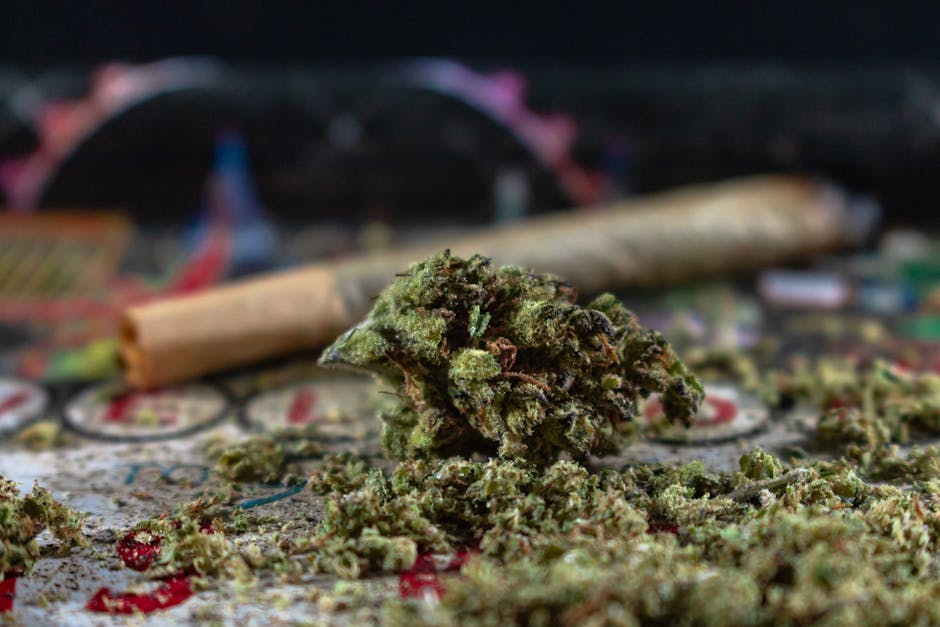
If you are looking to integrate cannabis into your life for better quality of life, keep these three rules in mind:
- Source your data from regulation, not algorithms: Ignore the influencer's "top 5" list. Consult peer-reviewed literature and your primary care physician. Prioritize clinical supervision: A routine that isn't monitored by a medical professional is essentially a guessing game. Beware of buzzwords: If a company uses words like "detox," "cleanse," or "magic bullet" to describe a chemical compound, they aren't talking to you as a patient—they are talking to you as a consumer.
On a Tuesday morning, when you are balancing a high-pressure career, a need for sustained energy, and the inevitable stresses of modern life, you don't need a miracle. You need consistency, you need transparency, and above all, you need a system that recognizes your health as a medical priority rather than a branding exercise. As the wellness conversation continues to evolve, our responsibility—both as consumers and patients—is to keep the focus on the science, not the aesthetic.