If you look at my bedside table, you’ll see my phone with a sleep-tracking app currently open. My data for the last week shows a recurring trend: on nights when I spend two hours playing something frantic like Helldivers 2 or chasing a win in Valorant, my sleep latency is actually lower evolution of gaming culture than on nights where I just mindlessly doom-scroll social media. People—especially other parents—often look at me funny when I say this. "But isn't it stressful?" they ask. "Doesn't that keep your heart rate up?"
The short answer is no. The nuance, however, is a bit more complex. As someone who has been testing gadgets and writing about gaming culture for over a decade, I’ve realized that gaming isn’t just about the screen time; it’s about the specific type of focus required to escape the "background noise" of adult life. But what does this change for normal players who aren't trying to become pro streamers? It changes how we view mental recovery.
The Social Connection: Gaming as the New Neighborhood Park
For a long time, the public narrative was that gamers were isolated in their basements. That narrative has been dead for years, but it’s still surprising how often people miss the social utility of the medium. Gaming today is, for many of us, the only time we get to talk to our friends without the distractions of email, chores, or the kids interrupting.
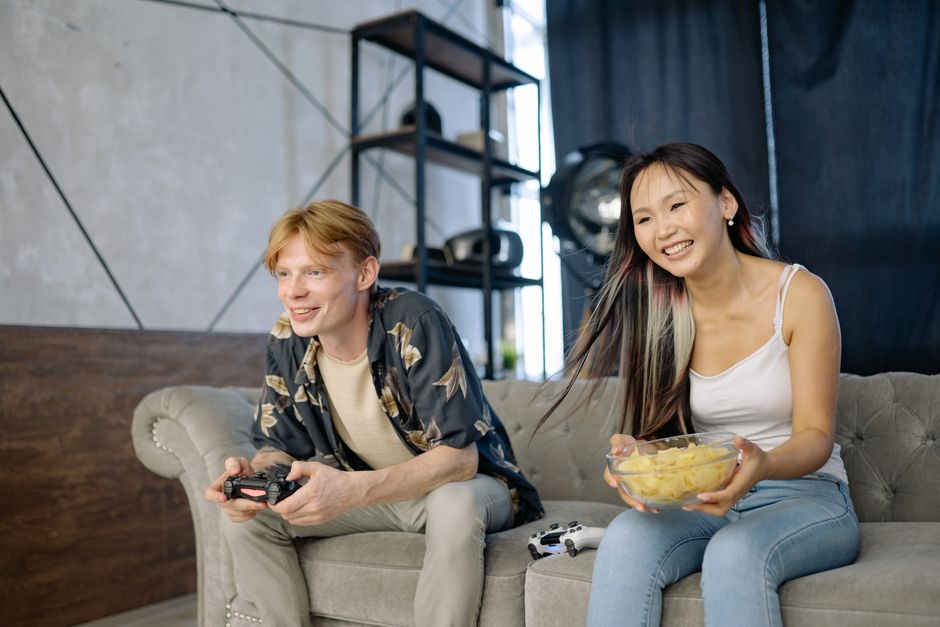
Whether we are hanging out in a Discord voice channel, coordinating a raid, or just sharing clips of funny moments, these spaces have become our third place. When you’re mid-boss fight, you aren't thinking about your mortgage, the pile of laundry, or that looming deadline. You are present. That intentional social connection—that shared pursuit of a goal—is a powerful stress regulator.
It’s important to note: gaming isn't a replacement for actual mental health therapy. There is a lot of buzzword-heavy content out there claiming games "cure" stress. Let’s be clear: unless you’re working with a licensed clinician, no app or console is a clinical substitute for mental healthcare. What gaming provides is a tool for stress regulation, not a cure for clinical anxiety.

The Accessibility Shift: Why Everyone is a Gamer Now
The "normal player" demographic has shifted dramatically. A decade ago, to get a high-fidelity experience, you needed a custom-built rig that cost as much as a used car. Today, the barriers to entry have effectively crumbled.
Cloud gaming services like Xbox Cloud Gaming or NVIDIA GeForce Now mean that people can play AAA titles on their phones, tablets, or older laptops. This is a massive accessibility milestone. I remember testing a tablet controller mount last year; I was able to jump into a game of Starfield during my kid's soccer practice. This accessibility means we don't have to "find time" for a massive gaming session at a desk—we can weave relaxation into the pockets of our day.
Factor Traditional Leisure (TV/Scrolling) Interactive Gaming Engagement Level Passive/Low Active/High Stress Regulator None Flow State Achievement Social Component Isolated Community-based (Discord/Chat) Cognitive Load Minimal Moderate to High (Executive Function)Streaming Culture and the Creator Ecosystem
I spend a fair amount of time on Twitch and YouTube Gaming. I don't just watch for the skill level—I watch because of the creator ecosystems. Watching a favorite streamer navigate a complex game while interacting with their community feels like hanging out at the local arcade used to feel in the 90s.
This "vicarious play" is an underrated form of relaxation. When you're too exhausted to hold a controller, tuning into a stream offers the excitement of the game without the requirement of executive function. It’s a way to decompress by observing, absorbing the community sentiment, and feeling connected to a broader hobbyist culture. It’s the digital equivalent of a "sports bar" vibe, just without the overpriced appetizers.
What Does This Mean for the "Normal" Player?
When I talk to my friends who aren't tech enthusiasts, they often worry about "brain rot" or the physical toll of late-night sessions. I track my sleep quality because I want to see the reality behind the anecdotes. While late-night gaming can definitely impact sleep if you don't manage your blue light exposure and winding-down time, the activity itself is a net positive for mental recovery if done with intention.
For the average person, the takeaway is simple: don't view gaming as a "guilty pleasure" that you have to apologize for. View it as a deliberate choice for mental reset. If you’re playing a game, engage with the social layer. Use Discord to build rapport with your crew. If you can’t get to a desk, use cloud gaming to play a few levels on your commute or during a break.
Key Takeaways for Sustainable Gaming
Set Boundaries: Even if you’re "relaxed," gaming at 2 AM is still gaming at 2 AM. Check your own sleep data—don't take my word for it. Prioritize Socials: Gaming is more effective at reducing stress when it’s collaborative. Solo grinding is fine, but team-play builds the social connection that keeps us human. Ignore the "Esports" Pressure: You don't have to be a professional. You don't need to be the "best" player. Relaxing is the goal, not climbing a ranked ladder. Watch for Corporate Speak: If a game or platform advertises "optimized mindfulness pathways" or other buzzwords, ignore it. It’s a game, not a pharmaceutical. Enjoy the mechanics for what they are.Conclusion: The "Why" Behind the "Intense"
Why does intense gaming help us relax? Because it forces us into a flow state. Whether it's the high-stakes navigation of a stealth game or the rapid-fire decision-making of a hero shooter, that level of intensity acts as a "hard reset" for the brain. It clears out the clutter of the day. As a parent of three, I don't have the luxury of sitting around staring at a wall to "find my zen." I need an activity that is engaging enough to crowd out the noise of the world, and gaming is the most efficient tool I’ve found for the job.
So, the next time you feel guilty about hopping online after the kids are in bed, remember that you’re likely participating in a modern form of community-building and stress management. Just keep an eye on your sleep patterns, stay grounded in reality, and don't let the corporate marketing machines convince you that https://dlf-ne.org/gaming-has-grown-up-why-its-more-than-just-a-teen-pastime/ your hobby needs to be "productive" to be valid. Sometimes, just having a great match is enough.