In my nine years of interviewing clinic owners, cosmetic nurses, and dermal clinicians across Australia and New Zealand, I’ve heard one promise more often than any other: "You’ll look refreshed with no downtime."
I hate that phrase. It’s lazy, it’s vague, and it’s arguably dangerous. "No downtime" is not a medical reality; it’s a marketing term. If you are having injectables, laser therapy, or skin rejuvenation, you are inflicting a controlled trauma on your tissues. That requires a recovery period, however short. If a clinic tells you otherwise, it’s time to put your bag back on and walk out the door.
When we talk about non-surgical facial contouring, we are essentially talking about architectural changes to the face without a scalpel. It is an exciting field, but one rife with misinformation. Let’s strip back the marketing fluff and look at what you can—and cannot—reasonably expect.
Medical-Grade vs. Beauty Centres: Why the Setting Matters
The first question I ask when I walk into a clinic is: Who is actually holding the needle or the laser?
There https://bizzmarkblog.com/how-can-i-tell-if-a-clinic-is-being-honest-about-downtime/ is a vast chasm between a medical-grade clinic and a beauty centre. A medical clinic operates under a clinical governance framework. They have protocols for adverse events (like vascular occlusion) and a registered doctor on call or on-site to handle complications. A beauty centre, while perfectly fine for a facial, often lacks the emergency training and the high-end, TGA/Medsafe-approved technology required for contouring.

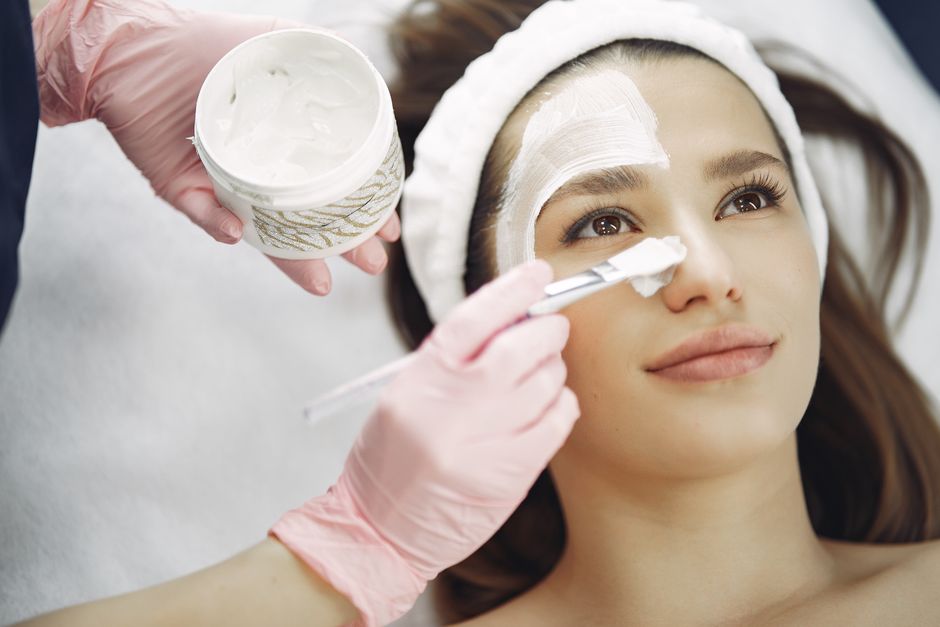
When you are looking for realistic expectations, you must look at the setting. Is the environment sterile? Are they using data-secure systems to store your medical history? If they are pushing a "discount-first" model, ask yourself: how are they cutting costs? Usually, it’s by using cheaper, non-TGA-approved devices or by shortening the consultation time.
The Consultation: A Diagnostic, Not a Sales Pitch
If you walk into a clinic for a contouring consultation and the practitioner starts mapping out your face with a syringe before asking about your medical history, leave. A proper consultation is a diagnostic session.
My mental checklist for a high-quality consultation includes:
- Skin Analysis: Are they using a digital imaging device to see what’s happening under the surface (pigment, vascularity, density)? Risk Assessment: Are they discussing the risks? If they don't explicitly explain the potential side effects, they are doing you a disservice. Device Transparency: If you are having laser therapy, ask exactly what device they are using. If they say "it's our special tightening laser," demand the manufacturer's name. If they won't tell you, don't let them treat you.
Understanding Realistic Treatment Outcomes
Non-surgical contouring—whether through dermal fillers, biostimulators, or focused ultrasound—has limitations. You cannot turn back the clock 20 years, nor should you want to. Realistic results mean improved skin quality, subtle lifting, and harmonious volume replacement.
The Reality Table: What to Expect
Treatment Type What it Can Do What it Cannot Do Injectables (Dermal Fillers) Restore lost volume, define the jawline, soften deep folds. Eliminate significant skin laxity or replace the need for a facelift. Laser Therapy Improve skin texture, tighten surface skin, boost collagen. Change the underlying bone structure or reposition fat pads. Skin Rejuvenation Brighten skin tone, reduce fine lines, improve cellular health. Correct significant facial sagging or volume loss.Why "Before-and-After" Photos Are Often Misleading
One of my biggest pet peeves is the "filtered" before-and-after photo. I’ve seen clinics use ring lights to blow out all texture in the "after" shot, while the "before" shot is taken in harsh, side-lit conditions.
https://highstylife.com/how-clean-should-an-aesthetic-clinic-look-and-feel-a-guide-to-standards-in-new-zealand/When looking at portfolio photos, look for the lighting notes. Is it the same room? The same angle? The same time of day? If the "after" photo looks like a waxwork, it’s likely been heavily edited. Real results in dermatology look like... skin. They show pores, they show fine lines, and they show natural movement.
The Importance of Approved Devices
In New Zealand, we rely on high standards for medical device approval. However, the market is flooded with grey-market lasers and counterfeit injectable products. A clinic should never be shy about the origin of their equipment.
If a practitioner uses a device that isn't medically recognized for the specific area they are treating (e.g., using a high-intensity laser on delicate skin near the eye without the right attachments), you are at risk of permanent damage. Always ask: "Is this device FDA/Medsafe approved for this specific contouring application?"
Managing Expectations: The "Timeline of Truth"
Let's define "downtime" properly. When you sign your consent form, you should be looking at a real timeline.
Immediate (0-48 hours): Swelling, redness, and potential bruising. This is the period you should be prepared to stay home. Early Recovery (3-7 days): Surface swelling subsides; minor bruising may persist. Long-term Results (4-12 weeks): For biostimulators or skin rejuvenation treatments, this is when you actually see the collagen production kick in.If a clinic tells you that you can head to a wedding the afternoon of your contouring treatment, they are lying. You will likely be swollen, and if you are prone to bruising, you will have visible marks.
Final Thoughts for the Savvy Patient
The goal of non-surgical contouring should be "you, but better." It is about health, structural support, and long-term skin integrity. Do not be pressured into signing up for a package on the day of your consultation. A reputable clinic will always give you a "cooling-off" period to think about the risks and the costs.
If you walk out of a clinic feeling rushed, pressured, or confused about what is actually going to be injected into your face or which laser is being applied to your skin, you are in the wrong place. Go home, research the device, read the clinic's credentials, and decide if the practitioner has put your safety above their sales quota.
Facial contouring is an art, but it is firmly rooted in medical science. Treat it with the seriousness it deserves, and you’ll achieve results that are both beautiful and safe.