Becoming a first-time parent is exciting, overwhelming, and downright confusing when it comes to preparing your baby’s wardrobe. Between the endless options, the temptations to buy every cute outfit, and worrying about growth spurts or season changes, it’s easy to get stuck in a spiral of fear-based shopping and overbuying. But here’s the secret: a smart baby wardrobe plan focuses on practicality, realistic quantities, and thoughtful organisation — not just pretty clothing.
In this guide, I’ll walk you through a capsule baby wardrobe mindset, how many clothes you really need at different ages (0–3 months, 3–6 months, 6–12 months), sizing considerations, Aussie season planning, and tips on making the whole process more manageable. Whether you’re an expectant parent or welcoming a newborn, this approach helps you save time, money, and sanity.
Why a Capsule Baby Wardrobe Mindset Matters
When you’re a first-time parent, the urge to buy a wardrobe worthy of a runway show can be strong. But more clothes don’t always mean better. Many parents fall into the trap of accumulating heaps of outfits that rarely get worn — creating laundry nightmares and clutter.
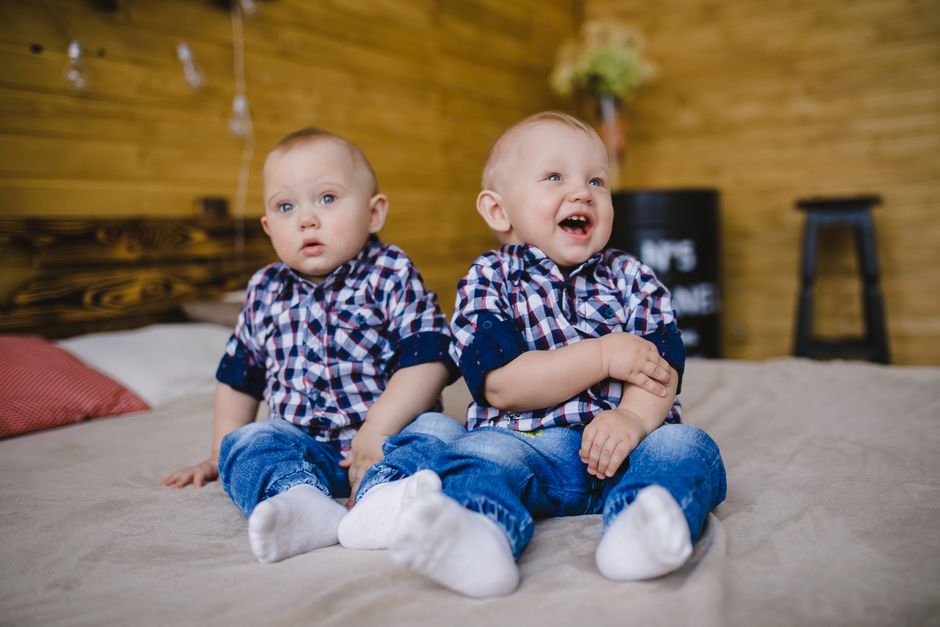
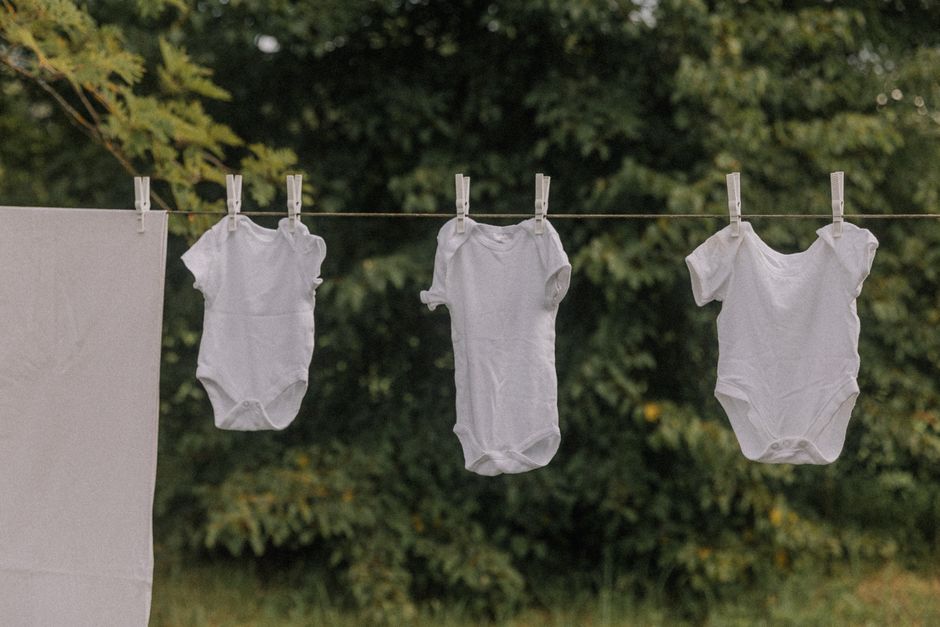
A capsule baby wardrobe means curating a small, practical collection of essential clothing items that mix and match well, handle frequent washing, and suit your baby’s lifestyle and local climate. Think of it like a quality over quantity philosophy designed for ease.
Core benefits of a capsule baby wardrobe
- Streamlined choices: Fewer options keep dressing simple — no more endless decisions or stress at 2am changes. Efficient laundry: Having a realistic number of items means you can match your laundry frequency and never run out of clean clothes. Comfort-first: Choosing soft, practical fabrics and styles that are easy to change keeps baby comfortable and you happier. Budget smart: Buying fewer, better items spaced out by age and season helps avoid unnecessary spending. Growth-friendly: Planning by sizing and seasonal needs accommodates rapid baby growth and climate changes.
Realistic Quantities by Age: Planning Your Baby Clothes Plan
Babies grow incredibly fast — and their needs change just as rapidly. The key is to have a rough strategy outlining how many items are needed for the key phases: 0-3 months, 3-6 months, and 6-12 months.
Here’s a practical breakdown to get you started. These quantities assume you do laundry every few days, which I always ask: “ How often do you want to do laundry, really?” Adjust up or down depending on your routine.
Item 0–3 Months 3–6 Months 6–12 Months Onesies/Bodysuits 7–10 (short & long sleeve mix) 7–10 (more short sleeve) 7–10 (short & long sleeve) Pants/Leggings 5–7 5–7 5–7 Sleepers/Rompers 5–7 5–7 5–7 Socks/Mittens 3–5 pairs 3–5 pairs 3–5 pairs Hats (Sun & Warmth) 2–3 (lightweight + beanie) 2–3 2–3 Jackets/Cardigans 2–3 lightweight to warmer layers 2–3 2–3 Specialty (e.g. swaddles, bibs) 5–7 bibs, 3–4 swaddles 5–7 bibs, 2–3 blankets 5–7 bibs, 2–3 blanketsNote: The numbers above cover basics only — if you want cute outfit options for outings, factor in a few extras depending on how often you change daily.
Why fewer and better works
Babies inevitably get Look at more info messy — spit-ups, diaper leaks, and food discoveries mean constant outfit changes, especially in the first few months. But having a capsule wardrobe prevents drowning in laundry and ensures you have enough clean, comfortable clothes ready at all times.
Sizing and Growth Spurts: Timing Your Purchases
One of the biggest pitfalls first-time parents face is buying too many newborn clothes that get outgrown within weeks, or buying ahead in larger sizes that just hang in the wardrobe unused.
Growth spurts happen FAST
Newborn to 3 months is a whirlwind phase, with frequent growth spurts. Babies can double their weight in this period, moving quickly from newborn to 0000 (premmie) to 000 sizes. Most babies baby capsule wardrobe outgrow newborn sizes within 6–8 weeks.
From 3 to 6 months, growth slows slightly, but babies are starting to become more active, which affects the type of clothing that works well — often more stretch and easier changes.
By 6 to 12 months, babies are crawling, standing, and exploring. Outfits need to be durable and easy for movement, with practical closures like zippers or wide neck holes.
Smart sizing tips
- Buy newborn sizing sparingly: Limit newborn clothes to a few essentials; many babies skip this stage or outgrow it quickly. Invest in 000 and 00 sizes: These often see the longest use. Buy the next size up gradually: Have a few pieces ready, but don’t stockpile. Check fit regularly: Babies’ growth can be uneven. Clothes that pinch or look tight in seams should be replaced promptly for comfort. Keep mixing and matching: Avoid premature special occasions outfits — focus on versatility.
Season and Climate Planning for Australian New Parents
Australia’s seasons vary widely depending on region, and weather can be unpredictable. Unlike some climates, layering is KING here. Planning a baby wardrobe with seasons in mind is essential to keep your baby safe and comfortable outdoors and indoors.
Seasonal tips by region
- Southern Australia (Melbourne, Adelaide, Tasmania): Winters can get chilly, so warm layers, fleecy jackets, and thermal bodysuits are essentials in winter (June–August). Summers can be hot, so lightweight cottons and ample sun protection (broad-brim hats, UV-protective clothing) are musts. Northern Australia (Darwin, Cairns): Tropical climate — hot and humid most of the year with a wet season. Choose highly breathable, lightweight clothes year-round. Be sure to include sun protection fabrics and hats. Inland and temperate areas (Canberra, Canberra surroundings): Expect cold winters and warm summers. Think layers, warm hats, socks, and jackets in winter, and simple short-sleeve outfits with sun protection in summer.
General Aussie baby wardrobe planning advice
- Lightweight layers are your best friend: Cotton onesies under a jumper or jacket can be added or removed easily. Focus on sun protection year-round: Babies’ skin is delicate — choose UPF-rated fabrics and wide-brimmed hats. Invest in multipurpose clothing: Wraps, cardigans, and soft blankets can help with sudden weather changes. Check indoor temperatures: Many homes have heating or air-conditioning — bring a layer your baby can lose or gain.
First Time Parent Baby Wardrobe: Key New Parent Essentials Clothing
Beyond the capsule basics, there are a few key pieces every first-time parent should consider adding to their new parent wardrobe toolkit:
Easy-access bodysuits: Enveloping snaps or magnetic closures that allow quick dressing and diaper changes — perfect for fussy or sleeping babies. Footed sleepers: Keeps baby warm overnight with less chance of kicking off covers — especially in cooler climates. Soft hats & scratch mittens: Babies often scratch their face; soft, breathable hats and mittens protect tiny skin. Comfortable swaddles: Light, breathable wraps that can double as blankets, stroller covers, or tummy time mats. Rompers and dresses with snaps: Easy diaper access keeps everyone happy, while keeping baby cosy and cute.Final Takeaway: Keep It Simple, Practical, and Adaptable
Developing a smart baby wardrobe plan for first-time parents is all about embracing simplicity and practicality. Think capsule wardrobe, aligned with your laundry routine, baby’s growth stages, and Aussie seasonal needs. Avoid overbuying by focusing on soft, easy-to-change, comfortable pieces that suit changing sizes and weather.
Trust me — your 2am changing self will thank you for it.
Quick recap checklist:
- Start with a capsule baby wardrobe mindset Buy realistic quantities per age phase (0-3, 3-6, 6-12 months) Limit newborn sizing, and buy larger sizes gradually Prioritise layering and sun protection for Australia’s climate Choose comfortable, soft fabrics with fuss-free closures Match your laundry habits — don’t buy to “just in case”
Happy parenting — and happy wardrobe planning!