Luxury used to announce itself. It arrived in a glossy shopping bag, a monogram large enough to read across a room, or a garment reserved for the few evenings a year when ordinary rules seemed to pause. Today, many people want something quieter and more useful: clothes that feel good on the body, products with sourcing information they can check, and brands that explain what they mean when they make a promise.
That shift does not make beauty, craft, or pleasure less important. It changes what counts as evidence of quality. A lovely finish still matters. So does the hand of a fabric, the comfort of a seam, or the feel of a well-designed package. But for consumers who value honesty over mystique, those details are only part of the picture. Luxury also means being able to ask a reasonable question—and find a specific answer.
In fashion and wellness, that standard is increasingly relevant. Brands borrow the language of wellbeing to describe everything from leggings to skincare and supplements. Meanwhile, consumers are learning to distinguish a compelling story from a verifiable claim. The new luxury is not a perfect promise. It is a product whose materials, benefits, and limits are described with enough clarity to make an informed choice.
Luxury has moved from occasion to everyday routine
The old model of luxury often depended on rarity and ceremony: the special outfit, the elaborate unboxing, the product saved for a special occasion. But much of contemporary spending is directed toward things used repeatedly: a favorite layer, a comfortable bra, a skincare staple, a supplement, or the bag that goes everywhere. When a product is part of daily life, its ordinary performance becomes its most persuasive feature.
That is a different kind of scrutiny. A garment may look elegant on a hanger, but does it stay comfortable through a long day? Does the fabric retain its shape? Are seams placed in a way that reduces rubbing? A wellness product may use reassuring language, but can a shopper find its full ingredient list, directions for use, and documentation behind any technical claim?
Everyday luxury is not simply “premium” dressing for daily errands. It is design that respects the person who has to live in the product. The experience should hold up after the first impression: in repeated wear, washing, storage, and use. That means practical qualities such as durability and clear care instructions can be as telling as a polished campaign.
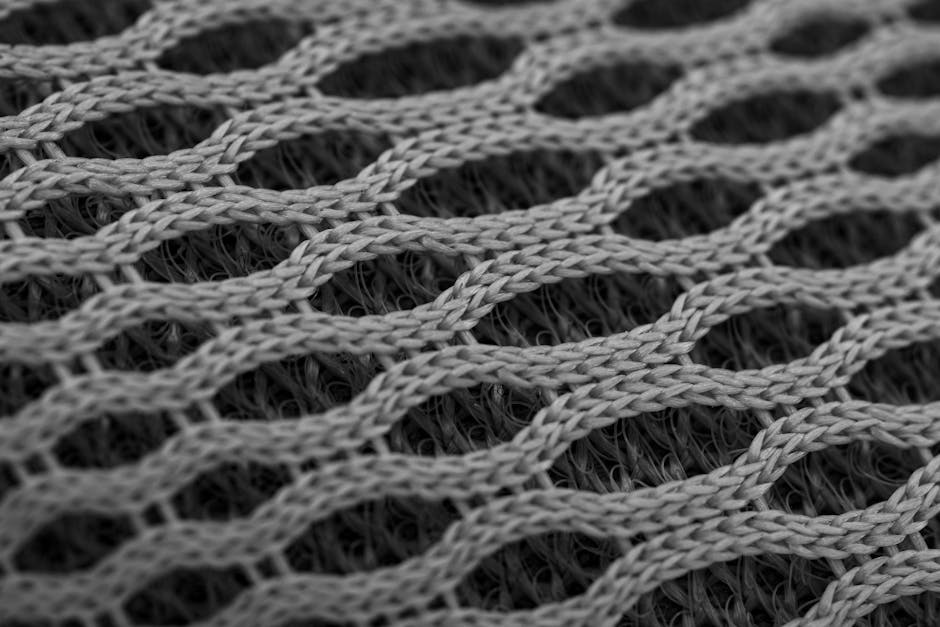
This is also why comfort has become a design requirement rather than a soft extra. The fabric hand—the way material feels against skin—matters. So does stretch recovery, breathability, and the placement of seams. Seamless construction can reduce certain points of friction, though “seamless” is not a guarantee that a garment will suit every body or activity. Sensory detail is meaningful when a brand explains the construction and the wearer can judge the result for herself.
When wellness language enters fashion branding
Fashion has always sold a feeling as well as a silhouette. What has changed is the vocabulary. Words associated with wellness—balance, recovery, calm, mindful, clean—now appear across categories. Sometimes they describe a real design choice: a soft waistband, a fabric selected for a particular use, or an uncomplicated routine. Sometimes they function more like atmosphere, suggesting a benefit without saying what the product actually does.
The distinction matters. “Designed for comfort” is a statement a shopper can test by wearing a garment. “Supports your wellbeing” is broader and needs more explanation. If a brand says a material is responsibly sourced, the useful follow-up questions are: sourced from where, under which standard, and for which part of the product? If a wellness company makes a product-quality claim, what documentation supports it, and does that documentation correspond to the item or batch being sold?
Wellness language can make an ordinary purchase sound consequential. That is precisely why it needs boundaries. A consumer should not have to infer a medical benefit from a lifestyle photograph or decode a vague phrase like “clean formula.” Responsible communication defines the claim, supplies relevant evidence, and avoids implying more than that evidence can show.
Ask what the words mean in practice
When a product description leans on a broad promise, look for the details beneath it. A useful description tends to name materials, explain construction, identify ingredients, and make directions or limitations easy to find. For a technical claim, look for the method or standard used to support it. For a sourcing claim, look for the level of detail: a general policy, a named supplier, a material certification, or product-specific traceability are not interchangeable.
That does not mean every label needs to read like a research paper. It does mean a brand should make its claims legible. Plain language is not a downgrade from luxury; it is a service to the customer.
Quiet status signals are replacing loud logos
A visible logo can still be part of a design, but it is no longer the only way a product signals value. For some shoppers, status now appears in a fabric that drapes well, a cut that fits without constant adjustment, or a product chosen because its maker explains where its materials come from. These signals are quieter because they are not necessarily visible from across the room. They are also more personal: the wearer knows why a detail matters.
Quiet does not quiet luxury wellness vs biohacking automatically mean ethical, durable, or well made. A minimal look can still conceal a thin sourcing story, and a high price does not verify a product’s quality. The same goes for an elegant website. Visual restraint is a design choice, not proof of traceable materials.
That is where honesty over mystique becomes a useful test. Does the brand tell you what the item is made of, or mainly how you should feel about owning it? Can you find care instructions and relevant sourcing information without searching through a maze? Are limitations acknowledged, or does every claim sound absolute?
In a publication such as PAGE Magazine, including its Reverie PAGE coverage, that distinction can be explored editorially: not by treating a brand’s story as fact, but by asking what can be checked and what remains an aspiration. A reader may appreciate an evocative campaign and still want clear information about the product itself. The two are not in conflict.
Proof is part of the product experience
Verifiable claims are not a decorative add-on. They help a shopper assess whether a product suits her needs and values. “Traceable materials,” for example, should lead to information about what is traced and how far that trace extends. Is the claim about one fiber, a component, a facility, or the finished product? Is there a standard or documentation behind it? The more precise the language, the easier it is to understand what the claim does—and does not—cover.
For wellness products, documentation should be equally clear. If a company points to laboratory testing, consumers should be able to understand what was tested, by whom, and whether the available report relates to the specific product or batch. A general statement that products are “tested” is less informative than accessible, relevant documentation. This is not a claim about any one company’s practices; it is a standard consumers can apply across the category.
Names such as lululemon and Joy Organics sit in different product categories, but they illustrate why the same questions travel across fashion and wellness. With apparel, a customer might examine fiber content, construction, care guidance, and the specificity of sourcing claims. With a wellness product, she might look for a complete ingredient panel, clear directions, and appropriate product-level testing information. The relevant evidence differs by category. The expectation of clarity does not.
Keep a simple checklist when a claim matters to you:

- What exactly is being claimed? Look for a specific statement rather than a mood-setting phrase. What evidence is offered? Check whether the brand names a standard, method, supplier, or relevant report. What does the evidence cover? A material-level claim may not describe every component or the finished item. Can you find it easily? Important product information should not be hidden behind a vague sustainability page. Is the language appropriately limited? Good documentation does not justify claims beyond what it actually demonstrates.
Publishing proof well: useful design, not a substitute for evidence
How information is presented affects whether readers can use it. A Squarespace-hosted site can organize product details, sourcing notes, author biographies, and survey links in a familiar structure. Images served from squarespace-cdn can support a story visually, but an Marks & Spencer Wellwear image URL is not documentation of a material or manufacturing claim. The page still needs readable text, meaningful captions, and links to the underlying information.
Editorial design can help distinguish reporting from promotion. An author page link style—such as a consistent “By [author name]” link leading to a biography—lets readers see who is responsible for a story and understand its perspective. A clear PAGE Reader Survey link gives the publication a way to ask readers what information they want and what they find difficult to verify. These are practical publishing details, not proof of a product’s claims; their value is that they make authorship and reader feedback easier to navigate.
For brands and publishers alike, the goal is not to bury the reader in files. It is to create a straightforward path from claim to context. A concise summary can explain the point; a linked source can provide the detail. If information is unavailable, saying so plainly is more credible than surrounding the gap with polished language.
A more useful definition of luxury
Luxury that cares about proof is not anti-beauty, anti-comfort, or anti-brand. It simply refuses to let appearance do all the work. It recognizes that a garment can be sensorially appealing and still need a transparent materials story. A wellness product can have thoughtful packaging and still owe the customer specific documentation. A quiet design can feel special without pretending that minimalism is evidence.
The best everyday products bring together several kinds of care: the feel of the material, the intelligence of the construction, the usefulness of the design, and the clarity of the information. That standard is demanding but not joyless. Knowing how something is made can deepen appreciation of the details. Knowing what a claim means can make a purchase feel considered rather than merely persuasive.
When you shop, start with the experience you want: softness, support, ease of care, or a particular ingredient profile. Then look for the facts that help you assess whether the product delivers. Read the label. Follow the sourcing link. Check whether a testing claim is specific and relevant. Notice where the description is precise—and where it becomes foggy.
That is what luxury means when you care about proof and sourcing: not a promise that everything is perfect, but an honest account of what a product is, how it is made, and what the available evidence can support. Comfort belongs in that definition. So do traceable materials, verifiable claims, and the freedom to enjoy a beautiful thing without being asked to take its story on faith.