Ever found yourself scrolling through your social media feed late at night, and suddenly—without a warning—you're hooked on a short clip, watching it through to the final frame, all just to see how it ends? You’re not alone. Whether it’s a TikTok video with a crazy twist, a Facebook short clip with an unexpected reveal, or a quirky ad from rizzpickups.com, there’s something about finishing that final second that feels oddly satisfying.

But what exactly drives this almost irresistible urge? Why does the completion curiosity and suspense payoff pull us in so effectively? And how do creators and companies like MrQ and insightful outlets such as BBC Future craft content to exploit this powerful dynamic? Let's unpack this phenomenon.
Instant Understanding Beats Complexity
Imagine it’s 11:30 pm. You’re tired, the day’s been long, and the last thing you want is something that demands serious brainpower. This is exactly why most viral short-form videos (like those dominating TikTok and Facebook feeds) lean heavily on instant comprehension.
If a clip makes you pause to think hard or get lost in complex storytelling, chances are you won’t stick around. Instead, videos that deliver an immediate premise—often a quirky setup or a relatable situation—grab your attention at once. An example? A quick clip where a pet does something unexpected, a magic trick, or a prank—simple ideas with instantly understandable stakes.
- Why it works: Our brains love quick wins. Instant understanding triggers dopamine release and encourages us to keep watching for the payoff. Late-night scrolling sanity check: Would a tired person choose to finish complex content at this hour? No, they want swift simplicity.
Low Learning Curve Increases Engagement
The best short clips often have a low learning curve. That is, you don’t have to know much beforehand or spend time figuring things out. Let's say you stumble on a MrQ game teaser where a simple puzzle challenge hints at a prize—no convoluted rules or lengthy intros, just an easy setup.
This low threshold invites you in because there’s no risk of confusion or boredom. The content respects your cognitive limits—especially when you’re casually browsing during breaks or before sleep. This “easy in, easy out” principle is a major factor in the widespread engagement surrounding platforms heavily reliant on short content.
It requires minimal effort to understand the clip. You quickly predict potential outcomes, which fuels curiosity. The clip promises a satisfying resolution or “punchline” at the end.Simplicity Plus Uncertainty Creates Suspense
Here’s the secret sauce: blending simplicity with watching chance unfold psychology a dash of unpredictability. It’s the classic suspense payoff or end reveal hook that keeps you tuned in. You immediately get the situation, but you don’t know the outcome. This combination keeps your attention locked.
Take popular content on TikTok—often a 15 to 60-second snippet showing just enough information to spark questions in your mind:
- What happens next? Will this character succeed or fail? Is this setup real or staged?
This unresolved tension activates your brain’s desire to resolve uncertainty, anchoring you to watch until the final reveal. According to BBC Future, humans are wired to seek closure, especially in narrative formats. This logic is what platforms and creators count on when shaping clips that end with unexpected twists or satisfying conclusions.
Visual Content Wins in Scroll Environments
In a world dominated by infinite scroll feeds on Facebook, TikTok, and beyond, visuals are king—and motion is their crown jewel. When your thumb is racing down the screen, you don’t have time to digest a paragraph; you need something that grabs your attention in a flash.
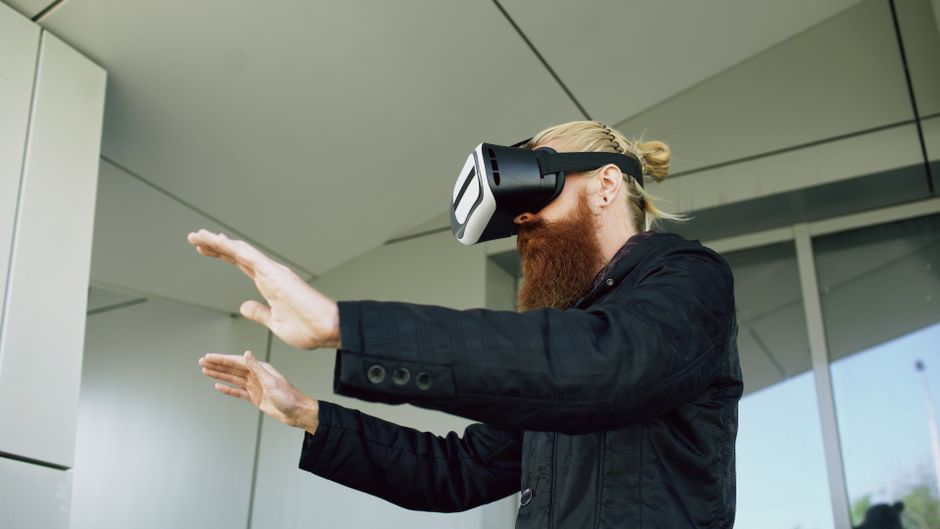
Animated movements, eye-catching colors, and expressive faces act as visual stimuli that pause you mid-scroll. This is why so many companies, including gaming platforms like MrQ and lifestyle brands like rizzpickups.com, invest heavily in short-form video marketing campaigns that leverage these sensory hooks.
Quick scenes that build suspense through visuals are more likely to keep you watching than slow or text-heavy clips. And because your brain is working on autopilot late at night, striking visuals paired with succinct storytelling create a compelling combo that’s hard to resist.
How This Influences Content Strategy
https://bizzmarkblog.com/how-do-you-design-entertainment-for-people-with-no-patience/ Key Factor Effect on Viewer How Creators Use It Instant Understanding Immediate engagement, less drop-off Clear premise in opening seconds Low Learning Curve Easy mental processing, more viewers stay Simple scenarios, minimal context needed Suspense with Uncertainty Heightened curiosity drives completion End reveal hooks, cliffhangers Visual Stimuli Scroll-stopping power, emotional responses Bold visuals, facial expressions, movementWrapping It Up: Why Do We Watch Till the End?
Your scroll feed is flooded with thousands of clips every day, but a select few manage to ensnare you. They:
- Communicate the story instantly. Are effortless to follow. Build a tantalizing tension that begs resolution. Deliver via striking visuals designed to snap you out of autopilot scrolling.
By the time you get to the end, the payoff works as a small but satisfying "closure" moment that your brain craves—a reliable dopamine hit that rewards the patience you didn’t even know you had.
Next time you find yourself watching a whole clip just to see that ending, remember: it’s not just chance. It’s a carefully crafted blend of completion curiosity, suspense payoff, and the perfect end reveal hook. Whether from viral videos on TikTok, advertising teasers from rizzpickups.com, interactive game promos on MrQ, or thought-provoking pieces shared by BBC Future, this formula reigns supreme.
So, the next time you catch yourself glued to that final second, you’ll know exactly why.
```