Have you ever sat down at an antique game table and noticed something that goes beyond mere sight? The sensation—the way your hands and wrists glide and grip, how the surface resists or assists your movements—it’s almost a whisper of history under your fingertips. It’s that ineffable hand memory and material texture that modern flat surfaces simply fail to capture. In this post, I'll delve into why old game tables feel so distinctively better, exploring the interplay of materials like baize and leather, the craftsmanship behind invisible edges, and how the direction of a velvet nap can change everything under your touch.
The Tangible Memory of Baize: Not Just “Felt”
First things first: If you hear someone call baize “felt,” nudge them gently. Baize is a woven woolen cloth with a short nap, traditionally dyed green for game tables—while felt is a non-woven fabric, matted and pressed, completely different in structure and feel.
True baize, especially when cared for correctly, develops a soft, tactile patina that feels alive beneath the hands. That’s partly why Victorian and Georgian tables still sing to those who play on them. Over the years, the baize fibers gently align, thanks to use and careful maintenance—always using a soft brush used with the nap, never a vacuum cleaner, which harshly disrupts the nap raising the fibers and ruining the surface.
Baize's characteristic texture owes much to its nap, which isn't just a visual feature but a crucial tactile one that helps guide cards or chips smoothly without excessive sliding. Unlike modern flat polymers or felt substitutes, baize's nap has a direction, a grain. Pay attention when running your fingers over a quality game cloth: sliding your hand "with the nap" feels fluid and natural; against it, slightly more resistant. This difference matters deeply for gameplay and comfort.
Why The Nap Direction Matters
The nap's direction on baize influences how cards and game pieces move. Skilled restorers and upholsterers who’ve worked at institutions like the Victoria and Albert Museum (vam.ac.uk) often stress the importance of maintaining the nap’s integrity during cleaning and restoration. When baize is installed so the nap runs consistently in the same direction, it creates a predictable tactile surface, supporting smooth, confident gestures that become part of players’ muscle memory.
In contrast, many modern tables use flat polyurethane or artificial “felt” layers that lack any nap. This can make motions slippery or overly sticky, robbing players of satisfying nuanced control and subtly boring the hand’s natural sensitivity.
The Origins and Significance of Green Cloth
Why green? One might presume it’s tradition or merely aesthetics, but there’s practical wisdom to the pervasive use of green baize in gaming tables. Green evokes lush playing fields, calming and easy on the eyes, reducing fatigue during extended sessions.
Aesthetically consistent since at least the 18th century, green baize also masks wear better than lighter or patterned surfaces. The color's complexity in dyestuffs contributes to its timeless appeal. Today’s manufacturers, including handcrafted leather suppliers like BestLeather.org, emphasize sourcing materials that maintain this vibrant hue while aging gracefully to form a tactile patina that’s as beautiful to hold as it is to look at.
Bridle Leather: Harness Heritage Meets Table Craftsmanship
When it comes to the edges of high-quality georgian card table hinges game tables, you often find exquisite leather work called bridle leather. Originally designed for horse harnesses, bridle leather is thick, sturdy yet pliable, and ages into a handsomely supple finish. Its presence on game tables is not just decorative but functional, often used to edge baize-covered surfaces to protect them from wear while offering a comfortable boundary for the hands.

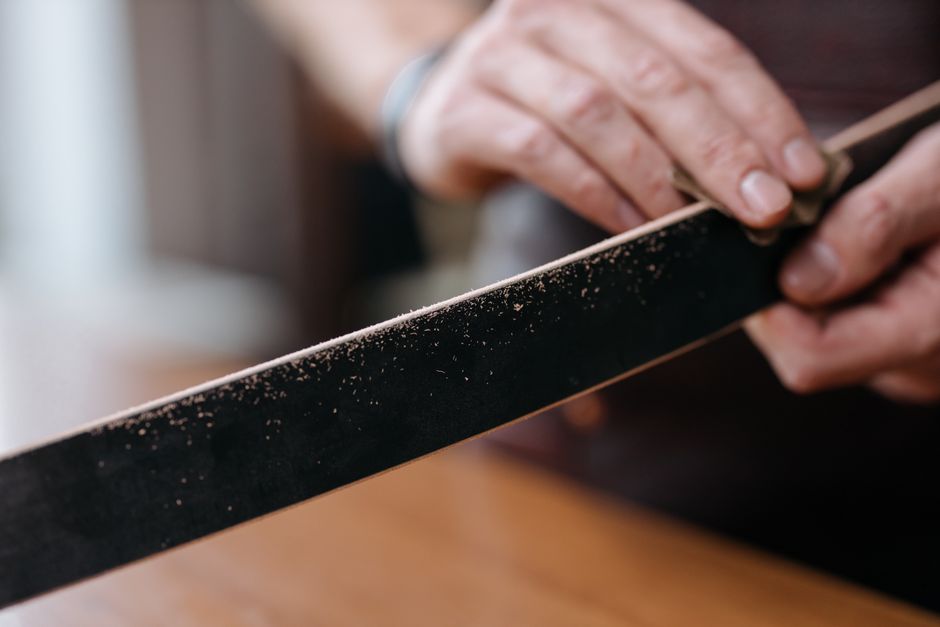
Craftsmen at companies like Mr Q (mrq.com), specializing in bespoke leather goods, apply traditional processes including skiving and burnishing to achieve invisible, feathered edges. Skiving involves thinning the leather at the edges so they lay flat and smooth, while burnishing—the polishing of these edges by hand—seals them into a flawless transition from game surface to rest of the table.
Hands-On Texture: The Difference in Leather Work
The tactile engagement of well-burnished bridle leather edge contrasts starkly with the machine-cut, sealed edges you find on cheaper or mass-produced surfaces. This difference is something you immediately sense when resting your arms or pushing chips across the edge during gameplay. It invites a subtle, natural grip and reassures through its resilience, qualities modern materials simply cannot replicate.
Material Texture vs. Industrial Smoothness
The touch sensation—and hand memory—of old game tables is deeply connected to how their materials respond and age. Each wear mark, subtle indentation, and patina tells a story. This is only possible due to the natural fibers and organic materials like wool baize and natural leather, which physically change and improve with measured, loving use.
Contrast that with modern flat surfaces: laminated synthetics and plastics may be easier to clean but lack warmth and texture, often feeling cold, lifeless, and uninviting. The very smoothness that looks "perfect" to the eye kills off the tactile richness that draws players back to their favorite table.
Care and Maintenance: Why the Soft Brush Matters
Preserving a baize surface is all about respect for its nap. Regularly brushing with a small, soft brush—yes, like the one I always keep in my desk drawer—removes dust and dust particles without flattening the nap. This gentle maintenance keeps the cloth responsive and alive under players' hands.
Never vacuum old baize surfaces! The aggressive suction lifts and tangles the fibers, damaging the nap irreversibly. This mistake is common in offices and homes attempting to “clean” but effectively dulling the play experience.
Summary Table: Comparing Traditional and Modern Game Table Surfaces
Feature Old Game Tables (Baize & Leather) Modern Flat Surfaces Material Texture Natural wool nap with directional grain; supple bridle leather edges with skived, burnished finish Synthetic flat, smooth, sometimes abrasive; faux leather or plastic edges Hand Memory Enhanced by material patina, nap alignment assists muscle memory Lacks texture variation; often slippery or unnaturally sticky Color Traditional green baize, visually pleasing, hides wear well Varied colors, often bright but less durable in appearance Maintenance Soft brushing with nap; no vacuuming; leather conditioning carefully balanced Simple wiping; prone to scratching and discoloration Edge Craftsmanship Invisible, burnished edges from skived bridle leather Mechanically sealed, sometimes rough edgesConclusion: More Than Just A Surface
Old game tables feel better than modern flat surfaces because they are living artifacts—crafted with an understanding of how materials affect sensation and function over time. From the carefully maintained wool baize nap to the fine detailing of bridle leather edges, these tables invite touch, interaction, and a form of hand memory that modern machines and synthetic substitutes fail to replicate.
Next time you approach a vintage game table, let your hands do the seeing: brush gently with the nap, feel the invisible edges where leather meets wood, and revel in the patina earned through decades of play. Through these nuanced textures and materials, the table carries stories of countless games played, hands rested, and memories made—proving that sometimes the best modern innovations are those that honor time-tested tradition.